
Nutrition science is experiencing a renaissance, and 2026 is shaping up to be a transformative year for how we think about food, health, and wellness. From breakthrough medications to ancient wisdom making a comeback, here are the top nutrition trends you need to know about.
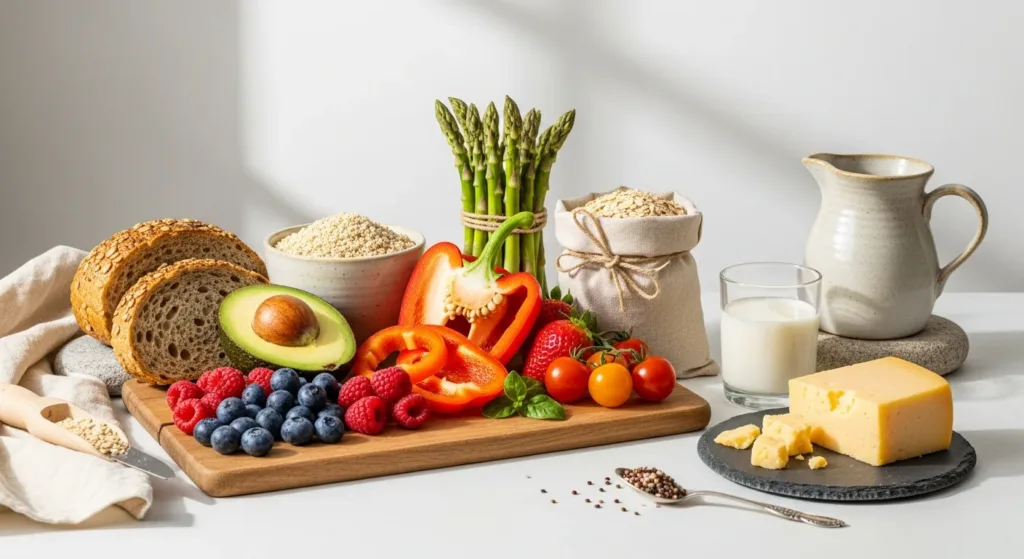
1. GLP-1 Medications Expand Beyond Weight Loss
The biggest health trend for 2026, according to a U.S. News survey of 58 health experts, is the expanded use of GLP-1 medications like Ozempic and Wegovy. While these drugs were initially celebrated for obesity and Type 2 diabetes treatment, research is now revealing benefits that extend far beyond the scale.
Recent studies show promise in managing heart health, kidney disease, sleep apnea, fertility issues, arthritis, and even addiction treatment. Dr. Steven Heymsfield from Pennington Biomedical notes a critical shift from “weight loss” to “quality weight loss,” meaning reductions primarily in body fat instead of skeletal muscle.
The catch? Many users aren’t getting adequate nutrition guidance. These medications dramatically curb appetite, which means strategic eating becomes crucial to prevent nutrient deficiencies and maintain muscle mass.
2. Food as Medicine Goes Mainstream
The concept that food can be medicine isn’t new, but 2026 marks the year it transitions from philosophy to practice. Healthcare systems are now screening patients for food insecurity, connecting them to fresh produce programs, and coordinating nutrition support with broader care plans.
This approach recognizes that telling patients what to eat isn’t enough—we need to support how they can eat in practice. Programs like Project FoodBox are delivering nutritious food directly to patients managing diet-sensitive conditions, reducing the gap between nutrition counseling and real-world access.
The shift is clear: prevention and disease management are more effective when nutrition is treated as a core component of healthcare, not an afterthought.
3. The Great Fiber Awakening
Move over, protein—2026 is the year of fiber. According to health experts, increasing daily fiber intake is the single most important nutrition strategy for reducing chronic disease risk.
The benefits are compelling: fiber keeps you regular, supports blood sugar regulation, promotes heart health, and may significantly reduce colon cancer risk. Both fiber supplementation and whole-food sources are booming, with fortified snacks, drinks, and foods hitting shelves in record numbers.
Pro tip: Don’t fall into the “more is better” trap. Ramping up fiber too quickly without adequate water can backfire. Aim for 25-30 grams daily, spread across meals, and focus on whole-food sources like produce, nuts, beans, lentils, and whole grains whenever possible.
4. Full-Fat Dairy’s Surprising Comeback
In a stunning reversal of decades-old advice, full-fat dairy is reclaiming its place in healthy diets. A massive 25-year Swedish study tracking nearly 28,000 people found an unexpected link: among adults without genetic risk for Alzheimer’s, eating more full-fat cheese was associated with lower dementia risk.
Food scientist Benoit LaMarche’s comprehensive review concluded that fat-free, low-fat, and full-fat dairy products generally have the same effects on heart health. Some studies even show whole milk outperforming skim milk when it comes to raising HDL (“good”) cholesterol.
Experts now say worrying about fat content in dairy is a distraction from bigger dietary concerns like excess salt, refined carbs, and added sugars.
5. Personalized Nutrition Powered by AI and Wearables
The convergence of artificial intelligence and wearable technology is creating unprecedented opportunities for personalized nutrition. Continuous glucose monitors (CGMs), once reserved for diabetics, are now being used by health-conscious individuals to understand how their bodies respond to different foods.
AI is analyzing this real-time metabolic data to provide hyper-personalized meal planning, optimal eating times, and stress management tips. However, experts caution that AI should be a starting point, not a replacement for working with registered dietitians who understand your complete medical history and cultural context.
The New Dietary Guidelines Emphasize Real Food
In January 2026, the Trump administration released updated Dietary Guidelines for Americans that mark a significant shift toward simplicity and whole foods. The core message: eat real food.
Key recommendations include:
- Prioritizing protein from quality sources
- Incorporating healthy fats from whole foods (meats, seafood, eggs, nuts, seeds, avocados)
- Focusing on whole grains while reducing refined carbohydrates
- Sharply limiting highly processed foods and added sugars
- Choosing water and unsweetened beverages
What This Means for Your Plate
The nutrition landscape of 2026 is about returning to fundamentals while leveraging modern science. It’s about recognizing food’s power to prevent and manage disease, personalizing approaches based on individual biology, and making nutrition accessible to everyone—not just those who can afford premium supplements and organic everything.
Your action plan: Focus on whole, minimally processed foods. Increase your fiber gradually. Don’t fear full-fat dairy. Consider working with a nutrition professional if you’re on GLP-1s or managing chronic conditions. And remember—technology is a tool, not a replacement for mindful eating and sound nutrition principles.
Which of these nutrition trends surprises you most? Share your thoughts in the comments below!

Michele Jordan is a Physical Education professional specialized in Pilates and functional training. She writes about movement, wellness, and healthy aging at Nutra Global One. Read more: https://nutraglobalone.com/about-michele-jordan/