
Intermittent fasting has exploded in popularity over the past decade. But in 2026, we finally have definitive answers to the questions everyone’s been asking: Does it actually work? Which method is best? And is the timing of your eating window as important as everyone claims?
The largest systematic review ever conducted on intermittent fasting—analyzing 99 clinical trials across more than 6,500 participants—has just been published, and the findings are reshaping everything we thought we knew.
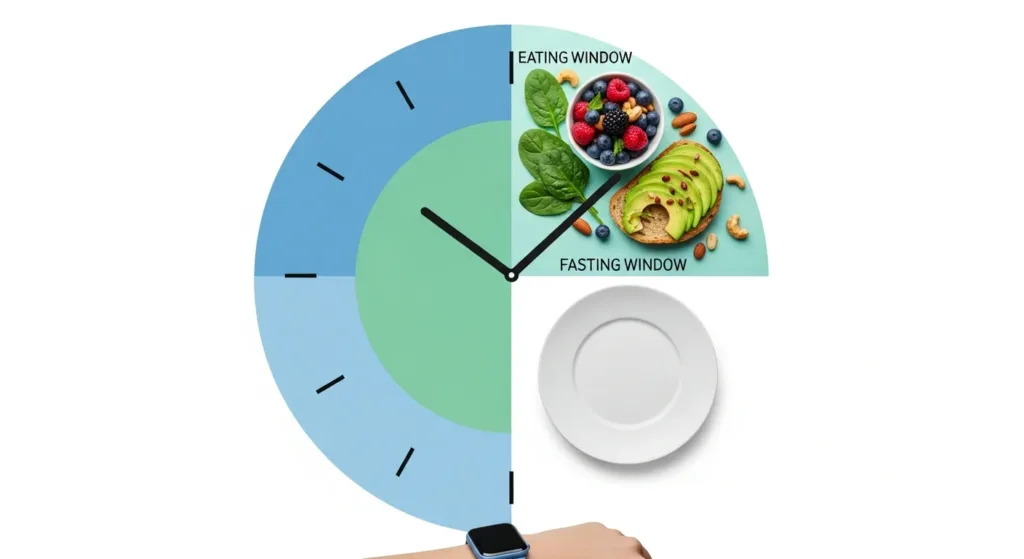
The Verdict Is In: Intermittent Fasting Works (But Not How You Think)
In June 2025, researchers at Harvard T.H. Chan School of Public Health published groundbreaking findings in The BMJ that settle one of nutrition’s biggest debates. The conclusion? Intermittent fasting diets are as effective for weight loss and cardiometabolic health as traditional calorie-restricted diets.
But here’s the critical twist that changes everything: it’s the calorie restriction, not the timing window itself, that drives most of the benefits.
The Calorie Truth
A landmark study published in Science Translational Medicine in January 2026 put intermittent fasting to the ultimate test. Researchers placed 31 women on two different time-restricted eating schedules—8 AM to 4 PM or 1 PM to 9 PM—for two weeks each.
The critical detail? Participants ate the same total number of calories regardless of their eating window (making this an “isocaloric” study).
The results were eye-opening: No improvements in blood sugar levels, blood pressure, or cholesterol were observed. The beneficial cardiometabolic effects described in previous research appear to be induced by the calorie restriction that often accompanies intermittent fasting, not by the shortening of the eating window itself.
As the German Institute of Human Nutrition researchers concluded: “Those who want to lose weight or improve their metabolism should pay attention not only to the clock, but also to their energy balance.”
What Does Work: The Best Intermittent Fasting Methods of 2026
While timing alone doesn’t create metabolic magic, intermittent fasting still offers real benefits—especially when it facilitates calorie reduction. Here’s what the latest research reveals about the most effective approaches:
1. Alternate Day Fasting (ADF): The Most Effective Short-Term
What it is: A full 24-hour fast every other day, alternating with days of unrestricted eating.
What the research shows: Among all intermittent fasting methods, alternate day fasting demonstrated superior results, resulting in 1.3 kilograms (2.9 pounds) greater weight loss compared to traditional calorie-restricted diets, as well as improvements in:
- Waist circumference
- Cholesterol and triglyceride levels
- C-reactive protein (an indicator of inflammation)
The reality check: While most effective short-term, ADF is also the hardest to maintain long-term. Most studies lasted less than 24 weeks, and adherence tends to drop off significantly.
Best for: People who can tolerate full fasting days and want rapid initial results, potentially as a kickstart before transitioning to a more sustainable approach.
2. The 16:8 Method: The Sustainable Champion
What it is: Fasting for 16 hours and eating within an 8-hour window daily (e.g., eating from 12 PM to 8 PM).
What the research shows: The 16:8 protocol remains the most popular and widely adoptable method. Research published in Cell Metabolism (2024) demonstrated sustained improvements in glucose regulation and mitochondrial efficiency after 12 weeks on a consistent 16:8 schedule.
Subjects showed:
- 7% reduction in waist circumference
- Improved triglyceride levels
- Better insulin sensitivity
The critical factor: Consistency matters more than you think. A 2023 study in Cell Metabolism showed that timing consistency in fasting windows was more predictive of improved glucose control than total fasting hours alone.
Best for: Most people seeking sustainable, long-term results. The 16:8 method fits naturally into daily life once adjusted.
3. The 5:2 Diet: The Flexible Alternative
What it is: Five days of unrestricted eating followed by two days of fasting or severe calorie restriction (typically 500-600 calories).
What the research shows: The 5:2 approach offers similar weight loss benefits to daily time-restricted eating while providing more flexibility for social events and varying schedules.
Best for: People who prefer flexibility and find daily fasting windows too restrictive but can handle two very low-calorie days per week.
4. Early Time-Restricted Eating: The Circadian Edge
What it is: Compressing your eating window to earlier in the day (e.g., 8 AM to 4 PM) to align with your body’s circadian rhythm.
What the research shows: Early time-restricted eating aligns with cortisol and melatonin rhythms, enhancing hormonal homeostasis. While the January 2026 study found no direct metabolic benefit from timing alone when calories remained constant, there was one significant finding:
Meal timing impacted participants’ circadian rhythm. The internal clock of participants shifted by an average of 40 minutes when they followed the late eating schedule versus the earlier option. People also went to bed and woke up later when they were in the later eating group.
Best for: People willing to stop eating by mid-afternoon and looking to optimize circadian alignment alongside weight management.
The Metabolic Switch: What Actually Happens During Fasting
While timing alone doesn’t create magic, fasting for extended periods does trigger real biological changes. According to research published in the New England Journal of Medicine, eating in a 6-hour period and fasting for 18 hours can trigger a metabolic switch from glucose-based to ketone-based energy.
This switch is associated with:
- Increased stress resistance
- Increased longevity (in animal models)
- Decreased incidence of diseases, including cancer and obesity
- Enhanced autophagy: The cellular cleansing mechanism that removes damaged components
- Improved mitochondrial function
Research published in Nature Reviews Endocrinology in early 2026 confirms this: fasting protocols triggering autophagy improved mitochondrial function and inflammation markers, even when caloric intake remained the same over a 24-hour period.
The Proven Benefits: What Intermittent Fasting Can (And Can’t) Do
Evidence-Based Benefits
Research consistently demonstrates these benefits:
Weight Loss: When IF facilitates calorie reduction, participants lose similar amounts of weight as traditional dieting—approximately 3-8% of body weight over 8-24 weeks.
Improved Insulin Sensitivity: Multiple studies show enhanced glucose regulation and reduced insulin resistance.
Reduced Inflammation: Several clinical trials show IF intervention improves inflammatory status, with reductions in plasma levels of IL-6, TNF-α, and C-reactive protein.
Heart Health: Improvements in blood pressure, resting heart rate, cholesterol levels, and triglycerides.
Brain Function: Studies discovered that intermittent fasting boosts working memory in animals and verbal memory in adult humans.
Metabolic Flexibility: The ability to efficiently switch between glucose and fat as fuel sources.
What Doesn’t Work
Timing alone without calorie reduction: The January 2026 study makes this crystal clear—shortening your eating window without reducing total calories doesn’t improve metabolic markers.
Poor-quality food within the eating window: As nutrition experts emphasize, highly processed foods, refined sugars, and nutrient-empty calories disrupt your metabolic reset and induce inflammation.
Inconsistent schedules: Without a structured window, you miss out on metabolic benefits. Consistency matters more than the specific hours you choose.
How to Actually Succeed With Intermittent Fasting in 2026
Step 1: Choose Your Method Based on Lifestyle
Don’t force a method that doesn’t fit your life. Consider:
- Social schedule: Do you have regular dinner plans? Evening eaters might struggle with early TRE.
- Work schedule: Shift workers may need flexible approaches like 5:2.
- Exercise timing: Athletes may need nutrient timing around workouts.
- Family meals: Consider when you eat with loved ones.
Step 2: Prioritize What You Eat, Not Just When
Your eating window is a high-impact nutrition delivery zone. Every bite needs to count.
Prioritize:
- Dark leafy greens: Kale, spinach offer magnesium and folate essential for cellular recovery post-fasting
- Cruciferous vegetables: Broccoli, Brussels sprouts assist liver detoxification—highly active after a fasting phase
- Whole grains: Quinoa, buckwheat support gut microbiome diversity, which enhances insulin sensitivity
- Quality protein: Supports muscle preservation during weight loss
- Healthy fats: Avocados, nuts, olive oil support satiety and nutrient absorption
Minimize:
- Refined sugars and processed carbohydrates
- Highly processed foods
- Trans fats and inflammatory oils
- Excessive alcohol
Step 3: Start Slow and Build Gradually
Week 1-2: Start with 12-hour fasting window (e.g., 8 PM to 8 AM)
Week 3-4: Extend to 14 hours (e.g., 8 PM to 10 AM)
Week 5+: Progress to 16 hours if comfortable
Don’t jump straight into aggressive fasting. Your goal is finding a sustainable rhythm, not white-knuckling through hunger.
Step 4: Track Metrics That Matter
Don’t just track the scale. Monitor:
- Waist circumference (better indicator of metabolic health than weight alone)
- Energy levels throughout the day
- Sleep quality
- Hunger patterns
- Workout performance
- Mood and mental clarity
Step 5: Listen to Your Body
Intermittent fasting isn’t for everyone. Consult your healthcare provider if you:
- Have a history of eating disorders
- Are pregnant or breastfeeding
- Have diabetes (especially if on medication)
- Have a history of low blood pressure
- Are underweight
- Take medications that require food
Common Mistakes That Sabotage Results
Mistake #1: Assuming Fasting Is Just Calorie Restriction
While calorie reduction drives weight loss, fasting works through hormonal alignment and cellular repair—not just energy deficit. The process of autophagy has little to do with calorie count. It’s about time—not just energy deficit.
Mistake #2: Overtraining While Fasting
Intense exercise during prolonged fasts can lead to muscle breakdown. Time workouts strategically—either just before breaking your fast or during your eating window.
Mistake #3: Breaking Your Fast With Poor Choices
Don’t undo 16 hours of fasting with a breakfast of donuts and sugary coffee. Break your fast with nutrient-dense whole foods that stabilize blood sugar.
Mistake #4: Dehydration
Fasting doesn’t mean avoiding fluids. Drink plenty of water, black coffee, or unsweetened tea during fasting windows.
Mistake #5: Ignoring Sleep
Late-night eating disrupts sleep quality, and poor sleep undermines metabolic health. If you’re eating your last meal at 11 PM and waking exhausted, your eating window needs adjustment.
The Role of Wearable Technology
In 2026, wearable devices can significantly enhance your intermittent fasting practice:
Continuous Glucose Monitors (CGMs): See in real-time how your eating window and food choices affect blood sugar. Lingo CGM and similar devices provide medical-grade data for consumer use.
Smartwatches and Fitness Trackers: Track fasting windows, monitor heart rate variability (an indicator of stress and recovery), and assess sleep quality.
Apps with AI Integration: Receive personalized recommendations based on your biometric data, not generic advice.
The Future of Intermittent Fasting
Research is increasingly moving toward precision nutrition—using individual factors like chronotype, genetics, and microbiome composition to determine optimal eating windows.
Expect to see:
- AI-driven dynamic adjustment of fasting windows based on real-time biometric data
- Personalized protocols that account for your unique circadian rhythm
- Integration with microbiome testing to optimize gut health alongside fasting
- Wearable devices that predict optimal fasting and eating times based on your body’s signals
The Bottom Line: What Actually Matters
The science of 2026 has made one thing abundantly clear: intermittent fasting works, but not because there’s anything magical about the clock. It works because:
- It facilitates calorie restriction in a way many people find easier to maintain than traditional dieting
- It triggers beneficial cellular processes like autophagy and the metabolic switch to ketones
- It can improve metabolic flexibility and insulin sensitivity
- It reduces inflammation when done consistently
- It aligns eating with circadian rhythms (especially early TRE)
But none of these benefits occur if you:
- Eat the same total calories in a shorter window
- Fill your eating window with processed junk food
- Constantly change your schedule
- Ignore sleep, stress, and other lifestyle factors
Your 2026 Intermittent Fasting Action Plan
- Start with 16:8 as your default unless you have specific reasons to try another approach
- Focus on nutrient density during your eating window
- Be consistent with your schedule for at least 4-8 weeks before judging results
- Track holistic metrics, not just weight
- Adjust based on results and how you feel
- Consider earlier eating windows if circadian alignment is a priority
- Don’t force it if it consistently makes you miserable—there are other paths to health
The Honest Truth
Intermittent fasting isn’t a miracle cure. It’s a tool—and like any tool, its effectiveness depends on how you use it.
The timing of your eating window matters less than the research community thought it would. What matters more is:
- Total calorie intake
- Food quality
- Consistency
- Overall lifestyle (sleep, stress, exercise)
- Sustainability over time
If compressing your eating into a shorter window helps you naturally eat less, choose better foods, and feel more energized—then intermittent fasting is working for you, regardless of whether your window is 8 AM-4 PM or 12 PM-8 PM.
But if you’re rigidly following a fasting protocol while feeling exhausted, binge-eating during your window, and seeing no results—it’s time to reassess.
The best diet is the one you can maintain. In 2026, we finally have the research to back up what should have been obvious all along: sustainable, nutrient-rich eating patterns paired with appropriate calorie intake will always triumph over trendy timing protocols alone.
Intermittent fasting can be part of that equation—but only if you use it wisely.
Have you tried intermittent fasting? What method works best for you? Share your experience and tips in the comments below!

Michele Jordan is a Physical Education professional specialized in Pilates and functional training. She writes about movement, wellness, and healthy aging at Nutra Global One. Read more: https://nutraglobalone.com/about-michele-jordan/