
The fitness landscape is evolving faster than ever, and 2026 is bringing revolutionary changes to how we train, recover, and think about our health. According to the American College of Sports Medicine’s latest forecast, several key trends are transforming the industry. Here’s what you need to know to stay ahead of the curve.
1. Wearable Technology Takes the Crown
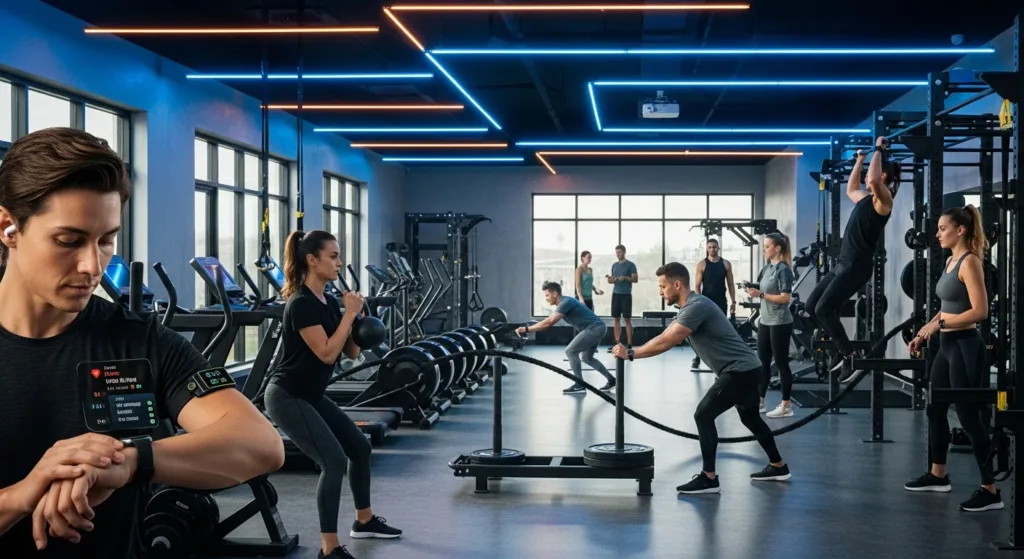
For the first time in years, wearable technology has claimed the #1 spot in fitness trends. Nearly half of U.S. adults now own a fitness tracker or smartwatch, and these devices are getting smarter every day. Modern wearables now track everything from fall detection to advanced biosensors that monitor your body’s vital signs in real-time.
The shift is moving from simple “tracking” to “programming.” Your workout is no longer planned around guesswork—it’s programmed by your physiology, updated in real-time by the data your wearables collect, and translated into actionable decisions. This means your Apple Watch or Oura Ring isn’t just telling you how many steps you took; it’s actively helping design tomorrow’s workout based on your recovery status.
2. Fitness Programs for Older Adults Boom
With over 47 million people worldwide transitioning into midlife and beyond each year, functional fitness for older adults is no longer a niche market—it’s mainstream. This trend marks a shift toward movement-based health that supports independence and translates strength into everyday capability.
The focus is on quality of movement and longevity. It’s not just about how strong you can be anymore—it’s about how well you’re able to move. More people are working proactively with physical therapists, not just as treatment for injury, but to prevent it in the first place.
3. Exercise for Weight Management (Not Just Loss)
The terminology has evolved from “Exercise for Weight Loss” to “Exercise for Weight Management,” reflecting a broader understanding that fitness goals aren’t one-size-fits-all. Whether your goal is weight loss, maintenance, or gain, exercise plays a crucial role.
This shift acknowledges that health comes in many forms and that the relationship between exercise and body composition is more nuanced than simple calorie burning. The emphasis is on sustainable, long-term health rather than quick fixes.
4. The Social Fitness Revolution
One of the most exciting developments is the rise of “third spaces”—fitness environments outside of home and work where people find connection and belonging. Research shows that 20% of Brits say exercise is their main way of staying socially connected, while 52% report improved social lives through fitness communities.
Adult recreation and sport clubs are making their first appearance on trend lists, fueled by the popularity of pickleball and a desire for social connection while exercising. The data is clear: 56% stick to fitness better when it’s social, 57% feel more motivated, and 54% exercise more regularly.
5. Recovery Goes Mainstream
Recovery is no longer just for elite athletes—it’s becoming a vital element of fitness for the general public. From AI-powered massage robots launching in premium gyms to increased focus on sleep optimization, the wellness industry is recognizing that what happens between workouts is just as important as the workouts themselves.
Innovations include 15-minute, clothes-on massages delivered by AI robots, advanced recovery tracking through wearables, and hybrid approaches that combine different recovery modalities.
What This Means for You
The overarching theme for 2026 is personalization and integration. Technology is making it easier than ever to customize your fitness journey to your specific needs, goals, and lifestyle. Whether you’re 25 or 65, looking to lose weight or gain strength, prefer solo workouts or group classes, there’s never been a better time to take control of your health.
The key is to stay grounded in the basics—consistent movement, adequate recovery, and progressive overload—while leveraging technology and community to enhance your results.
Ready to embrace these trends? Start by assessing where you are now. Consider investing in a quality fitness tracker, joining a social fitness group, or exploring functional movement patterns that will serve you for decades to come.

Michele Jordan is a Physical Education professional specialized in Pilates and functional training. She writes about movement, wellness, and healthy aging at Nutra Global One. Read more: https://nutraglobalone.com/about-michele-jordan/