
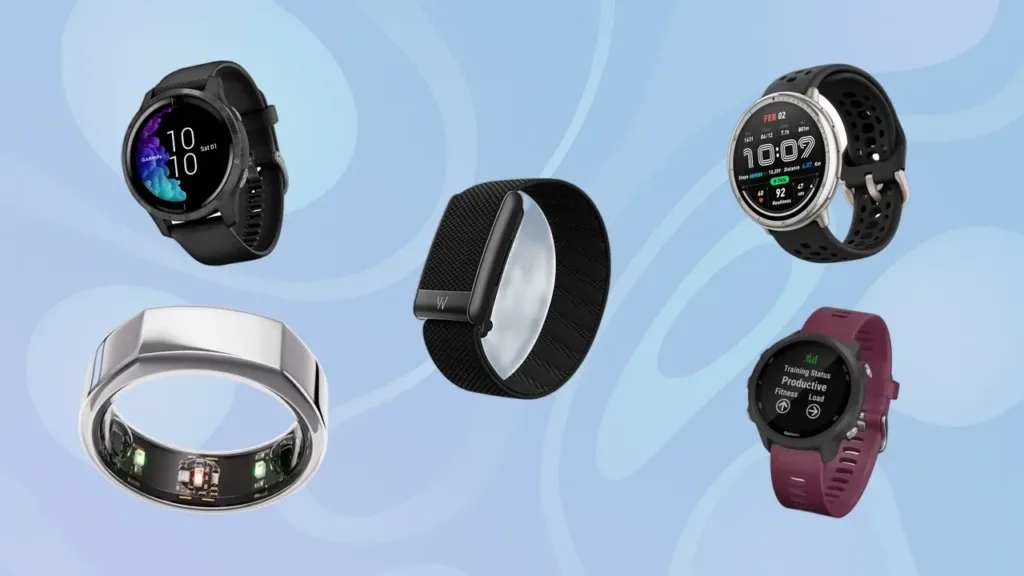
Wearable fitness technology has evolved far beyond simple step counters. In 2025, the best wearables are powerful health tools capable of tracking heart rate variability, sleep quality, recovery status, training load, and even long-term longevity markers.
But with so many options on the market, a critical question remains:
Which wearables actually improve health, performance, and recovery — and which are just expensive gadgets?
This expert guide breaks down the most effective wearable fitness technologies, explains how they work, who they are best for, and where they fit into a smarter, healthier lifestyle.
What Are Wearables & Fitness Tech?
Wearables are electronic devices designed to be worn on the body to continuously collect physiological and activity-related data. The best devices transform raw data into actionable health insights, helping users make better decisions about training, recovery, sleep, and stress.
The most advanced wearables today focus on:
- Cardiovascular health
- Nervous system balance
- Sleep optimization
- Recovery and overtraining prevention
- Long-term health and longevity
Core Health Metrics Modern Wearables Track
Understanding these metrics is key to choosing the right device.
Heart Rate & Heart Rate Variability (HRV)
HRV reflects how well your autonomic nervous system adapts to stress. Higher HRV is generally associated with better recovery, resilience, and cardiovascular health.
Sleep Stages & Sleep Quality
Advanced wearables analyze REM, deep sleep, and sleep efficiency — not just total hours slept.
Recovery & Readiness Scores
By combining HRV, resting heart rate, sleep, and activity data, many wearables provide daily readiness or recovery scores.
Training Load & Stress Tracking
These metrics help prevent overtraining and chronic fatigue, which are major obstacles to long-term fitness and longevity.
Best Wearables by Category
1. Smartwatches for Training & Performance
Smartwatches are ideal for people who want real-time data during workouts, GPS tracking, and training analytics.
Best use cases:
- Running
- Cycling
- Strength training
- Endurance sports
Top brands:
View top-rated fitness smartwatches on Amazon
2. Recovery & HRV Trackers (Whoop, Oura Ring)
These devices focus less on screens and workouts and more on 24/7 recovery, sleep, and nervous system health.
Why they stand out:
- Industry-leading HRV analysis
- Deep sleep and recovery insights
- Long-term health trend tracking
Who should use them:
- Busy professionals
- Biohackers
- People training 3–6x per week
- Anyone focused on longevity and stress management
Oura Ring
- Strong focus on sleep, recovery, and metabolic health
- Discreet, ring-based form factor
- Widely cited in sleep and longevity research
Whoop
- Elite recovery analytics
- Popular among professional athletes
- Strong training strain vs. recovery balance model
3. Heart Rate Monitors (Chest Straps & Advanced Sensors)
Chest straps remain the gold standard for heart rate accuracy, especially during high-intensity exercise.
Best for:
- Interval training
- Heart-rate-zone-based workouts
- Athletes who want precision
Top brands:
View the most accurate heart rate monitors on Amazon

4. Biofeedback & Stress-Tracking Devices
These tools help users understand how stress affects their body in real time.
What they track:
- Breathing patterns
- Skin temperature
- Stress responses
- Nervous system balance
Best for:
- Anxiety management
- Meditation and breathwork
- Sleep improvement
- Burnout prevention
Biofeedback devices are increasingly used in both performance optimization and mental health support.
Wearables for Longevity: Do They Really Help?
Wearables do not directly extend lifespan — but they change behavior, which is what truly matters.
Research consistently shows that:
- Better sleep quality
- Controlled stress levels
- Consistent moderate exercise
- Avoidance of overtraining
are key predictors of healthy aging.
Wearables help by:
- Identifying chronic sleep debt
- Preventing excessive training stress
- Highlighting cardiovascular trends early
- Encouraging consistency over extremes
Used correctly, they become decision-making tools, not obsessions.
Common Mistakes When Using Fitness Wearables
- Obsessing over daily numbers instead of trends
- Ignoring recovery signals
- Training harder despite poor readiness scores
- Buying devices with features you never use
The best wearable is the one that fits your lifestyle and goals, not the most expensive one.
How to Choose the Right Wearable for You
Choose a smartwatch if:
- You want GPS, workout tracking, and live metrics
Choose a recovery tracker if:
- Sleep, stress, and longevity are priorities
Choose a heart rate monitor if:
- Accuracy during training matters most
Many users benefit from combining one training-focused device with one recovery-focused wearable.
Final Thoughts: Technology Should Support Health — Not Control It
Wearable fitness technology is at its best when it supports smarter decisions, better recovery, and sustainable habits.
The goal is not perfect data —
the goal is a healthier, more resilient body over time
Recommended Reviews & Buying Guides
If you’re considering wearable technology focused on sleep, recovery, and long-term health, these in-depth reviews may help you choose the right device:
- Read our full Oura Ring review to see how it tracks sleep, recovery, HRV, and readiness in real-world use.
- Explore how recovery-focused wearables fit into smarter training routines in our Fitness & Mobility section.
- Learn how sleep quality and stress management impact healthy aging in our Longevity guides.
Scientific References & Further Reading
For readers interested in the science behind sleep tracking, heart rate variability (HRV), and recovery metrics, these trusted sources provide deeper insights:
- Research on HRV and cardiovascular health from Harvard Medical School
- Sleep and circadian rhythm studies published by the National Institutes of Health (NIH)
- Peer-reviewed research available through PubMed

Michele Jordan is a Physical Education professional specialized in Pilates and functional training. She writes about movement, wellness, and healthy aging at Nutra Global One. Read more: https://nutraglobalone.com/about-michele-jordan/