


Weight loss medications that act on GLP-1 hormones are changing how people lose fat — but diet still determines the final results.
Many users experience appetite suppression, yet plateau early or feel side effects because they don’t adapt what they eat.
This guide explains exactly what to eat on a GLP-1–based approach to support fat loss, protect muscle, improve digestion, and avoid common mistakes.
This article is for educational purposes only and does not replace medical advice.
How GLP-1 Medications Change Your Nutrition Needs
GLP-1–based therapies work mainly by:
- Reducing appetite
- Slowing gastric emptying
- Improving blood sugar control
Because digestion slows down, food quality matters more than quantity.
Eating the wrong foods can lead to:
- Nausea and bloating
- Low energy
- Muscle loss
- Weight loss plateaus
The goal of a GLP-1 diet is metabolic efficiency, not starvation.
The 4 Core Principles of a GLP-1 Diet
1. Prioritize Protein (Non-Negotiable)
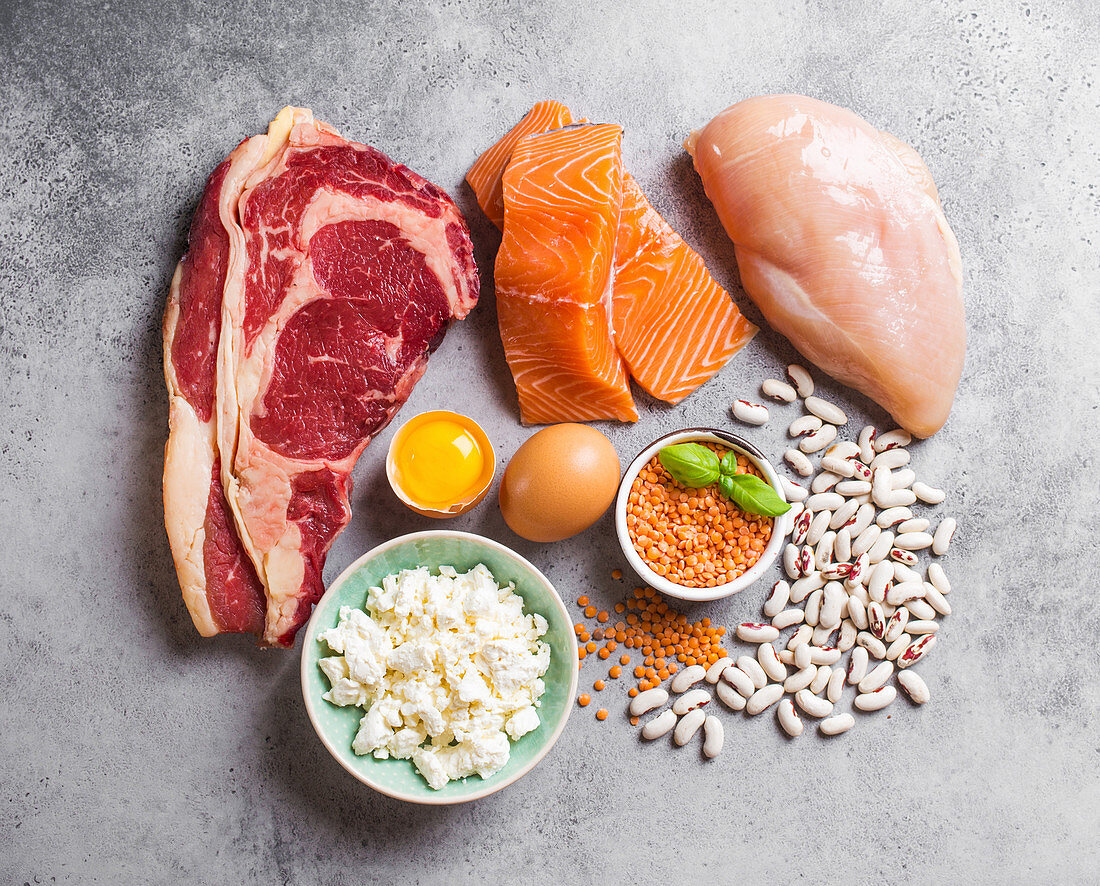

Why protein matters:
- Preserves lean muscle
- Prevents metabolic slowdown
- Improves satiety with smaller meals
Best protein sources:
- Eggs
- Chicken, turkey
- Fish (salmon, sardines)
- Greek yogurt
- Cottage cheese
- Plant proteins (lentils, tofu, tempeh)
Target: ~25–35g protein per meal
2. Focus on Fiber for Digestion & Appetite Control
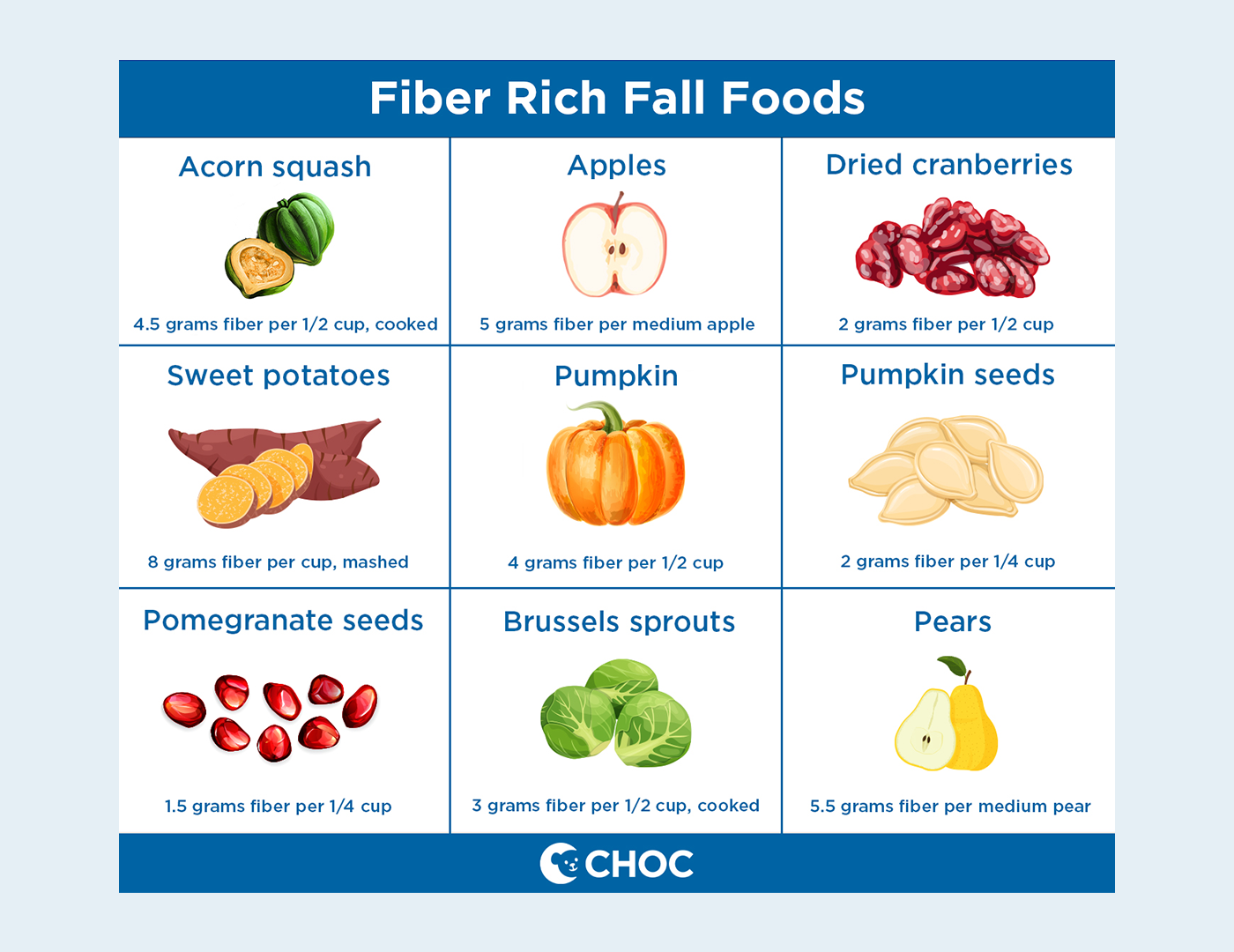

Fiber works with GLP-1, not against it.
Benefits:
- Reduces nausea
- Improves gut health
- Stabilizes blood sugar
- Enhances fullness
Best fiber-rich foods:
- Leafy greens
- Berries
- Chia & flax seeds
- Oats
- Beans & legumes
Tip: Increase fiber gradually to avoid bloating.
3. Choose Healthy Fats (Small Amounts)
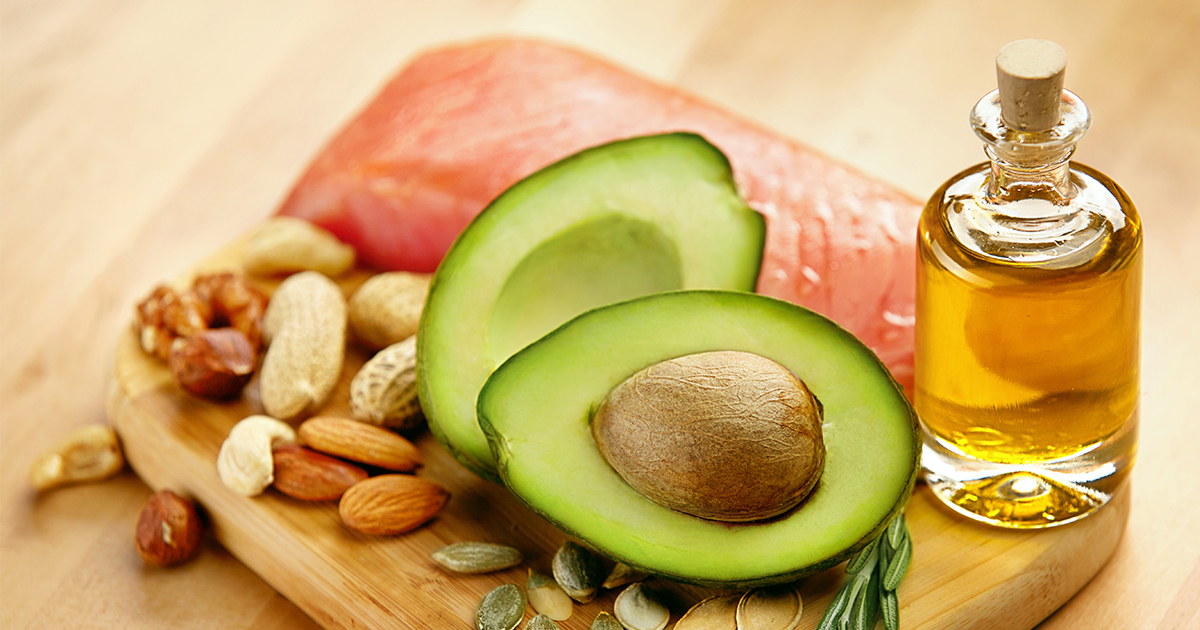
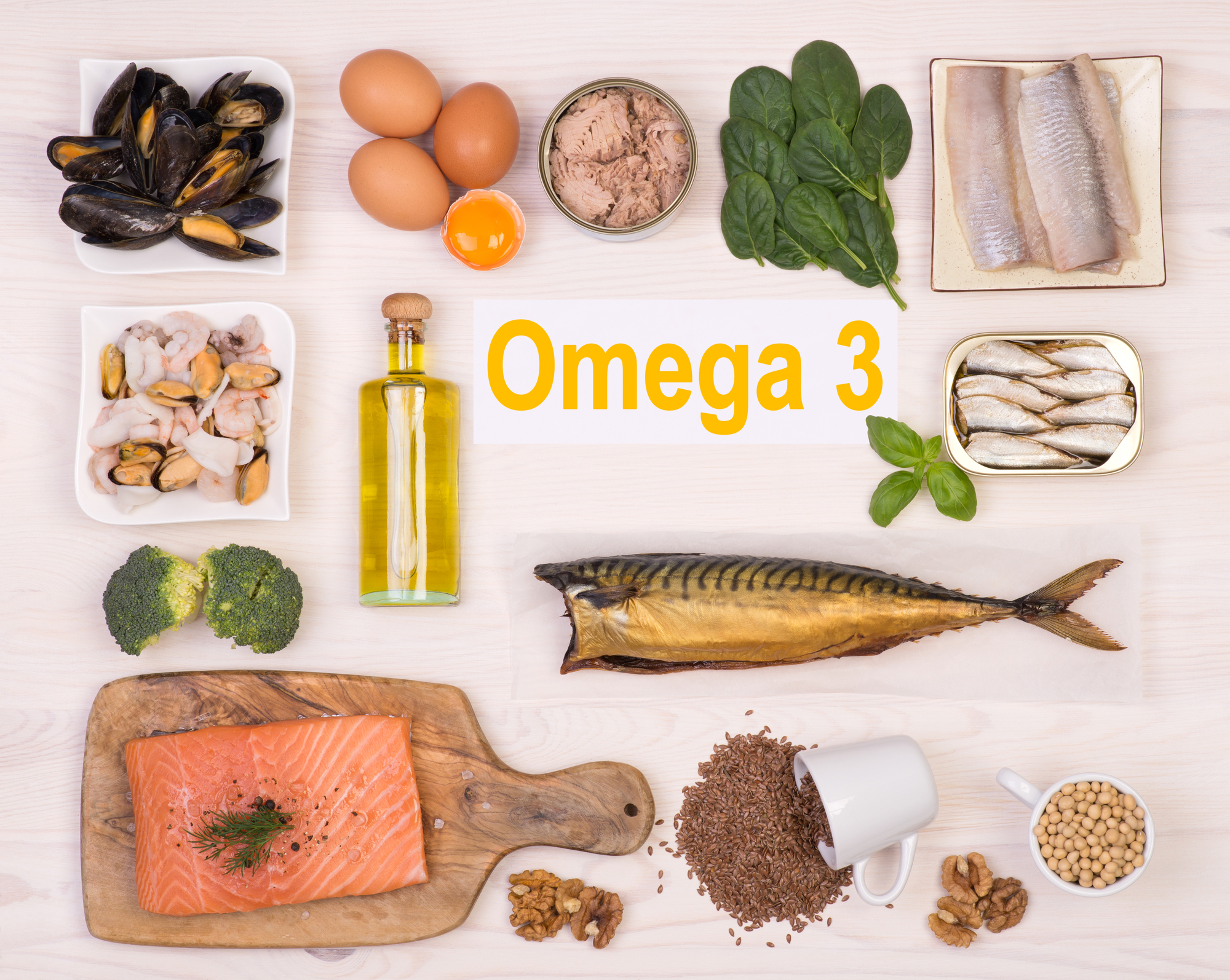
Fat slows digestion even more — which can be helpful or harmful.
Best options:
- Olive oil
- Avocado
- Nuts & seeds
- Fatty fish
🚫 Avoid:
- Fried foods
- Heavy creamy sauces
- Ultra-processed fats
4. Eat Smaller, Structured Meals
Large meals + slow digestion = discomfort.
Ideal approach:
- 2–3 smaller meals/day
- Optional high-protein snack
- Eat slowly
- Stop at “comfortably satisfied”
What to Avoid on a GLP-1 Diet

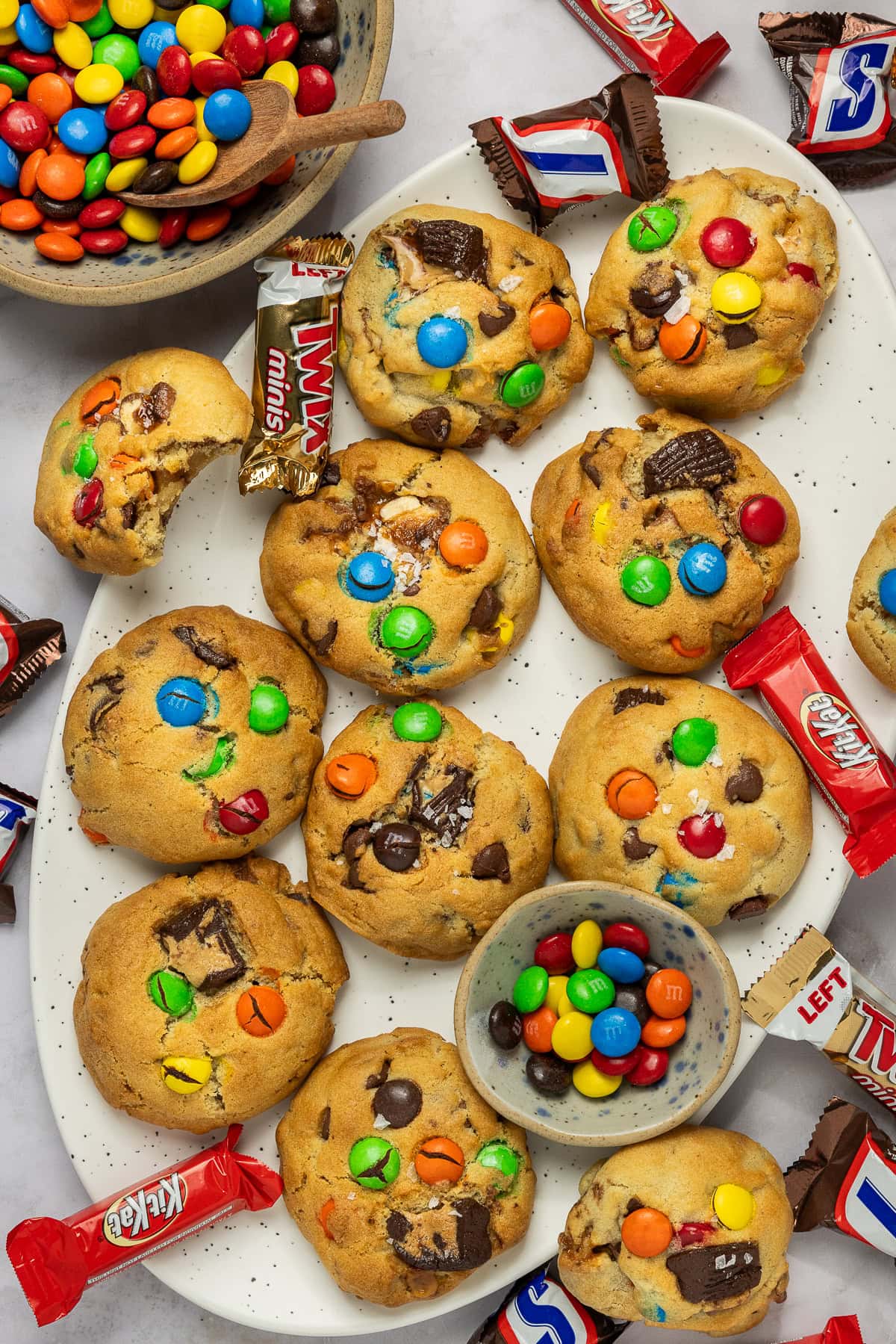
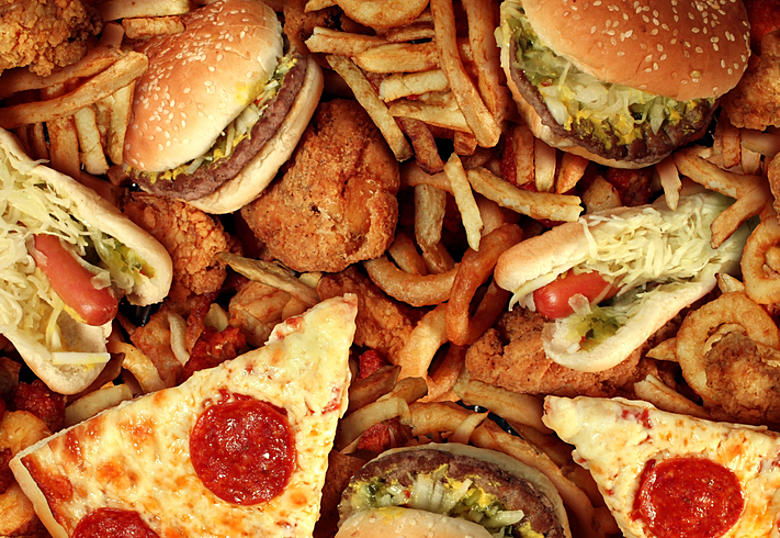
These foods commonly worsen side effects and stall progress:
- Ultra-processed snacks
- Sugary drinks
- Refined carbs
- Fried foods
- Alcohol (especially early on)
Many people think the medication “stopped working” when the real issue is food choice.
Sample GLP-1 Friendly Day of Eating
Breakfast
- Greek yogurt + berries + chia seeds
Lunch
- Grilled chicken salad with olive oil & vegetables
Snack (optional)
- Protein shake or boiled eggs
Dinner
- Salmon, roasted vegetables, quinoa
Hydration
- Water + electrolytes (low sugar)
Supplements That May Help (Optional)
(Always check with a healthcare professional)
- Protein powder
- Magnesium (digestion & sleep)
- Fiber supplement (psyllium, inulin)
- Electrolytes (low sugar)
Common Mistakes People Make
❌ Eating too little protein
❌ Skipping meals completely
❌ Relying on ultra-processed “diet” foods
❌ Ignoring hydration
❌ Expecting medication to replace nutrition
Final Takeaway
GLP-1 medications can be powerful tools — but diet determines how effective and sustainable the results are.
The best GLP-1 diet is:
- Protein-first
- Fiber-rich
- Minimally processed
- Gentle on digestion
- Built for long-term metabolic health
Michele Jordan is a Physical Education professional specialized in Pilates and functional training. She writes about movement, wellness, and healthy aging at Nutra Global One. Read more: https://nutraglobalone.com/about-michele-jordan/