
See the #1 gut health supplement recommended this year
Understanding Your Amazing Digestive System
Before we talk about supplements, it’s helpful to understand a bit about how your digestive system works. It’s a complex and fascinating process that starts even before you take a bite!
The Journey Begins: More Than Just Eating
Digestion actually kicks off the moment you see or even smell food. This is called the ‘cephalic phase’ – your body is getting ready to eat! Then, the food travels to your stomach, which is a crucial hub for breaking things down.
The Stomach’s Role: Acid, Enzymes, and Protection
Your stomach produces hydrochloric acid (HCl). This acid is a powerhouse! It helps to ionize minerals like calcium, magnesium, and iron, giving them a ‘charge’ so your body can absorb them later. It’s also essential for releasing vitamin B12 from animal proteins so you can absorb it.
But it’s not just about the acid melting your food. The stomach’s acidity creates the perfect environment for an enzyme called pepsinogen to transform into pepsin. Pepsin is the key player in starting the digestion of proteins. This process works best within a very specific pH range, around 1.5 to 2. If the stomach isn’t acidic enough, pepsin can’t do its job effectively. It’s like a finely tuned machine that needs the right conditions to function.
Adequate stomach acid also acts as a shield against harmful bacteria, fungi, and parasites. It’s one of your body’s first lines of defense!
Moving On: The Small Intestine’s Delicate Balance
As the partially digested food (now a soupy mixture called chyme) moves into the small intestine, it needs to be neutralized. The small intestine is very sensitive because it’s where most nutrient absorption happens. Your body releases sodium bicarbonate to buffer the acidic chyme, making it more alkaline. This shift creates the ideal environment for pancreatic enzymes to work and signals other digestive processes to continue.
When Things Go Wrong: Understanding Digestive Symptoms
Many digestive issues, like Irritable Bowel Syndrome (IBS), stem from a sensitive gut. People with IBS often experience food sensitivities, bloating, pain, constipation, or diarrhea. These symptoms can be uncomfortable and disruptive.
Top Supplements to Support Your Gut
Now, let’s talk about some of the best supplements that can help support your digestion and gut health. These are chosen for their research-backed benefits and safety.
1. Curcumin: The Anti-Inflammatory Powerhouse
Curcumin is a compound found in turmeric, the spice that gives curry its yellow color. It’s been used for centuries in Ayurvedic medicine and is now recognized for its powerful anti-inflammatory properties.
How Curcumin Helps:
- Reduces Inflammation: Inflammation can be toxic to your gut bacteria, making it hard for healthy ones to thrive and favoring the growth of unhealthy ones. Curcumin helps calm this inflammation.
- Improves Gut Microbiota Diversity: By reducing inflammation, curcumin creates a healthier environment for a wider variety of beneficial bacteria to grow, leading to a more diverse and robust gut microbiome. Studies have shown significant increases in bacterial species with curcumin use.
- Supports IBS Symptoms: In clinical trials, curcumin has shown remarkable results for people with IBS. After just two months, a significant percentage of participants no longer experienced IBS symptoms like bloating, pain, constipation, or diarrhea. This is quite impressive for a safe and affordable supplement.
- Modest Antimicrobial Effects: While not its primary function, curcumin may also have a mild ability to combat certain bacteria, like H. pylori, which can cause stomach issues.
What to Look For:
Curcumin isn’t absorbed very well on its own, leading to what’s called the “curcumin paradox.” However, even with moderate absorption, it offers benefits. Look for “second-generation” forms of curcumin, like Meriva®, Nano-Curcumin, Theracurmin®, or Liposomal Curcumin. These are designed to improve absorption without losing the documented benefits. A common and effective dose is between 500 to 1,500 milligrams per day, often taken as 1-2 capsules, 1-3 times daily.
2. Probiotics: The Friendly Bacteria Boost
Probiotics are live microorganisms, often bacteria or yeasts, that are beneficial for your health when consumed in adequate amounts. They are the “good guys” that help maintain a healthy balance in your gut.
How Probiotics Help:
- Balance Gut Microbiota: They help restore the natural balance of bacteria in your gut, crowding out harmful microbes.
- Reduce Leaky Gut: Probiotics can strengthen the gut lining, preventing undigested food particles and toxins from entering the bloodstream. This is measured through markers like serum zonulin and LPS.
- Improve Digestion and Symptoms: They can help reduce symptoms like bloating, gas, and irregular bowel movements.
- Modulate the Immune System: Probiotics interact with your immune system, helping to regulate its response.
- Aid Motility: They can help improve the movement of food through your digestive tract.
It’s important to note that the probiotics most effective at improving gut health are also the ones that show the strongest clinical benefits. If a probiotic helps you feel better, it’s likely improving your gut microbiota!
What to Look For:
There are many types of probiotics. Good starting points include blends of Lactobacillus and Bifidobacterium, Saccharomyces boulardii (a beneficial yeast), or soil-based probiotics. Dosages vary, but common recommendations are 1-50 billion CFUs for blends, 10-15 billion for S. boulardii, and 2-6 billion for soil-based options. It’s often recommended to take probiotics for 2-3 months to see their full effect.
A common question is whether stomach acid destroys probiotics. Research suggests that taking probiotics with food doesn’t diminish their effectiveness, and even heat-killed probiotics can be beneficial. So, don’t worry too much about the timing!
Many readers ask which gut health supplements combine probiotic support with broader microbiome and digestive benefits.
Here’s a comparison of the top gut health supplements for 2025.
3. Betaine HCl: Supporting Stomach Acid Production
Betaine HCl is a supplement that provides hydrochloric acid (HCl) to support stomach acidity. As we discussed, adequate stomach acid is vital for breaking down food, absorbing nutrients, and protecting against pathogens.
How Betaine HCl Helps:
- Enhances Protein Digestion: It helps create the optimal acidic environment for pepsin to break down proteins effectively.
- Improves Nutrient Absorption: Stomach acid is needed to ionize minerals and release B12 from food.
- Protects Against Overgrowth: Sufficient stomach acid can prevent the overgrowth of bacteria and other microbes in the stomach and small intestine.
When to Consider It:
Low stomach acid (hypochlorhydria) can contribute to symptoms like prolonged fullness, reflux, and indigestion. If you’ve tried foundational gut health strategies like dietary changes and probiotics without complete relief, Betaine HCl might be a consideration. It’s crucial to use this supplement carefully and ideally under the guidance of a healthcare provider.
How to Use It Safely:
A common approach is to start with one capsule per meal for a few days. If you notice no change, gradually increase to two capsules per meal, then three, and up to four. If you experience burning or discomfort, it might mean your stomach acid is already sufficient, or your gut lining is sensitive. If you notice significant improvement, that’s your signal. If you take up to four capsules per meal and notice no benefit, you likely don’t need supplemental HCl.
Important Note: Always discuss using Betaine HCl with your doctor or a qualified healthcare professional. They can help determine if it’s right for you and guide you on the correct dosage.
4. Digestive Enzymes (Lipase, Protease, Amylase)
Digestive enzymes are substances your body produces to help break down food into smaller molecules that can be absorbed. Sometimes, our bodies may not produce enough of these enzymes, especially as we age or if we have certain digestive conditions.
How Enzymes Help:
- Fat Digestion (Lipase): If you experience bloating, loose stools, or greasy stools after eating fats, you might benefit from lipase. It helps break down fats for absorption.
- Protein Digestion (Protease): Aids in breaking down proteins, crucial for muscle building and overall body function.
- Carbohydrate Digestion (Amylase): Helps break down carbohydrates into simpler sugars for energy.
When to Consider Them:
If you notice persistent symptoms like bloating, discomfort, or undigested food in your stool after meals, especially after eating fatty foods, digestive enzymes could be helpful. They can also be beneficial for those with a history of pancreatic issues or certain malabsorption conditions.
What to Look For:
You can find broad-spectrum digestive enzyme formulas that contain lipase, protease, and amylase. If you suspect a specific issue, like fat malabsorption, you might start with a supplement focused on lipase. Start with a low dose to see how your body tolerates it and if it provides relief. If you still need more support, you can gradually increase the dose or try a more comprehensive formula.
5. Bile Acids and Support
Bile, produced by the liver and stored in the gallbladder, plays a critical role in fat digestion and absorption. It also helps with the elimination of toxins and can act as a natural laxative.
How Bile Helps:
- Fat Emulsification: Bile breaks down large fat globules into smaller ones, making them easier for lipase to digest.
- Nutrient Absorption: It aids in the absorption of fat-soluble vitamins (A, D, E, K).
- Motility and Elimination: Bile can help stimulate bowel movements, aiding in the elimination of waste.
- Detoxification: It helps the body eliminate certain waste products and toxins.
When to Consider Them:
Issues with bile production or flow (bile acid insufficiency or congestion) can lead to fat malabsorption, constipation, bloating, and even contribute to dysbiosis (an imbalance of gut bacteria). If you experience these symptoms, supporting bile flow might be beneficial.
What to Look For:
While bile acid supplements exist, they aren’t always well-tolerated. Sometimes, supporting the body’s natural bile production and flow is a better approach. This can involve using “digestive bitters” which stimulate bile flow, castor oil packs, or specific herbs like Tudca (Tauroursodeoxycholic acid). These methods aim to help your body’s own system work more efficiently.
It’s important to note that if you’re using agents that increase bile flow and experience loose stools, it might not be a negative reaction to the agent itself, but rather an indication that your body is now producing more bile, and you might need less of other supportive supplements like magnesium or Vitamin C that also promote bowel regularity.
6. Thiamine (Vitamin B1): Essential for Gut Function and Energy
Thiamine, also known as Vitamin B1, is a vital nutrient that humans cannot produce themselves and must obtain from their diet. It plays a crucial role in energy metabolism and nerve function, and deficiencies can significantly impact gut health.
How Thiamine Helps:
- Energy Production: It’s essential for converting carbohydrates into energy, powering your cells.
- Gut Motility: Thiamine is involved in the release of acetylcholine, a neurotransmitter that stimulates gut motility (the movement of food through your digestive tract).
- Metabolizing Toxins: Certain gut microbes, like Candida, produce byproducts (like acetaldehyde) that require thiamine for metabolism. Poor gut health can increase the demand for thiamine.
- Nutrient Absorption: Conditions like SIBO (Small Intestinal Bacterial Overgrowth) can impair thiamine absorption, creating a cycle where low thiamine worsens gut issues, and gut issues worsen thiamine status.
When to Consider It:
Stress can deplete thiamine levels. If you have compromised gut health (like SIBO or Candida overgrowth), you might be at a higher risk for thiamine deficiency due to malabsorption or increased demand. Symptoms of deficiency can include reduced appetite, nausea, indigestion, and constipation. If you’re implementing other gut health strategies but not seeing the desired improvement, a thiamine deficiency could be a contributing factor.
What to Look For:
Thiamine comes in several forms: Thiamine HCl (lower bioavailability), Benfotiamine, and TTFD (all with higher bioavailability). A phased approach to supplementation is often recommended, starting with a moderate dose and gradually increasing over several weeks. Typical daily doses can range from 100 mg to 2,000 mg, depending on the form and individual needs. Always consult with a healthcare provider for personalized recommendations.
7. Berberine: A Potent Antimicrobial and Gut Balancer
Berberine is a compound found in several plants, including Barberry and Goldenseal. It has a long history of use in traditional Chinese medicine and is known for its antimicrobial properties.
How Berberine Helps:
- Antimicrobial Action: Berberine can help combat harmful bacteria, including those involved in SIBO. It may also have antifungal effects.
- Improves Gut Lining: Animal studies suggest it can help reduce leaky gut and improve gut sensitivity.
- Supports IBS Symptoms: Clinical trials have shown berberine can improve symptoms of IBS, including diarrhea, abdominal pain, and urgency. It may also positively impact mood through the gut-brain axis.
- Reduces Polyp Risk: Some research indicates berberine may help reduce the risk of colorectal polyps.
What to Look For:
Berberine is often available as Berberine HCl. While this form has lower bioavailability, it may be beneficial as it can exert a more localized effect within the gut. Doses typically range from 700 mg to 2,500 mg per day, often taken in divided doses. Studies have used it safely for 6 to 12 months.
8. Black Cumin Seed: Combating Fungi and Biofilms
Black cumin seed oil contains compounds that have demonstrated potent antimicrobial and antifungal activity, particularly against stubborn infections.
How Black Cumin Helps:
- Antifungal Effects: In lab studies, black cumin has shown activity against fungi like Candida, potentially by damaging their cell membranes.
- Antibacterial Action & Biofilms: It can disrupt bacterial cell membranes and specifically inhibit biofilms. Biofilms are protective layers that bacteria form, making them resistant to antibiotics. Black cumin may help eradicate these stubborn colonies.
- H. pylori Eradication: Studies show that black cumin, especially when combined with conventional therapies, can significantly increase the eradication rates of H. pylori, a common stomach bacteria. It also helps improve related symptoms like indigestion and heartburn.
What to Look For:
Look for cold-pressed or CO2 extracted black cumin seed oil, which tends to have a higher concentration of the active compound, thymoquinone. It can be taken as soft gels, capsules, or oral oil (though the oil can be bitter). Doses of 500 mg to 2,000 mg per day for 2-3 months are common. Ensure the product is organic, third-party tested, and stored in a dark, non-transparent bottle to protect its potency.
Best Gut Health Supplements in 2025 (Editor’s Picks)
After reviewing clinical research, ingredient quality, and user experience, these supplements stand out as the most effective options for supporting digestion, microbiome balance, and overall gut health.
1. PrimeBiome (Best Overall for Gut Health)
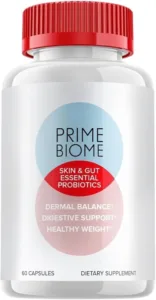
PrimeBiome is designed to support the gut microbiome while also addressing digestion, bloating, and overall wellness. It’s one of the most popular gut health supplements in the ClickBank marketplace due to consistent user-reported results.
Best for:
microbiome balance
bloating and digestive comfort
daily gut health support
2. Neotonics (Best for Gut + Skin Support)
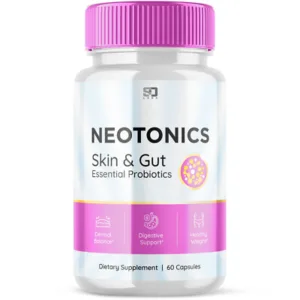
Neotonics combines gut health support with skin and aging benefits, making it ideal for people who want a dual-action supplement.
Best for:
gut-skin connection
metabolic and digestive balance
people over 35
3. Amazon Option: Seed DS-01 Daily Synbiotic

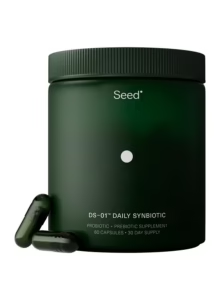
For those who prefer a physical, science-backed probiotic, Seed DS-01 is one of the most respected synbiotic formulas available.
Best for:
probiotic + prebiotic support
long-term microbiome balance
Putting It All Together: A Balanced Approach
Improving your digestion and gut health is often about a combination of strategies. While supplements can be incredibly helpful, they work best when integrated with a healthy lifestyle.
Foundational Steps First
Before jumping to more specific supplements like Betaine HCl, consider these foundational steps:
- Dietary Changes: Focus on whole, unprocessed foods and identify any personal food triggers.
- Probiotics: As mentioned, these are often a great starting point for balancing your gut.
- Addressing Underlying Infections: If diagnosed with H. pylori or SIBO, targeted treatment is essential.
Listen to Your Body
The most important thing is to pay attention to how your body responds. What works wonders for one person might not be the best fit for another. Start with one new supplement at a time to accurately assess its effects.
Conclusion: Your Gut Health Journey
Taking care of your gut health is a journey, not a race. By understanding the basics of digestion and exploring well-researched supplements like curcumin, probiotics, digestive enzymes, and others, you can make significant strides towards feeling better. These top supplements offer powerful support for a happier, healthier digestive system, helping you to live with more comfort and vitality.
Gut health isn’t about taking every supplement — it’s about choosing the right tools for your specific needs.
If you want the safest and most complete starting point, PrimeBiome remains our top recommendation for overall gut health support in 2025.
Key Takeaways:
- Curcumin: Fights inflammation and improves IBS symptoms.
- Probiotics: Restore balance and improve gut barrier function.
- Betaine HCl: Supports stomach acid for better digestion (use with caution and guidance).
- Digestive Enzymes: Aid in breaking down fats, proteins, and carbs.
- Bile Support: Crucial for fat digestion and elimination.
- Thiamine (B1): Essential for energy, motility, and gut health.
- Berberine: A potent antimicrobial that helps with SIBO and IBS.
- Black Cumin Seed: Effective against fungi and stubborn bacterial biofilms.
- Holistic Approach: Combine supplements with diet and lifestyle changes for best results.

Michele Jordan is a Physical Education professional specialized in Pilates and functional training. She writes about movement, wellness, and healthy aging at Nutra Global One. Read more: https://nutraglobalone.com/about-michele-jordan/