
In groundbreaking research that’s reshaping our understanding of exercise’s power, scientists have discovered that just 10 minutes of intense physical activity can trigger remarkable anti-cancer effects in the body. This finding joins a wave of recent health breakthroughs that are changing how we approach wellness in 2026.
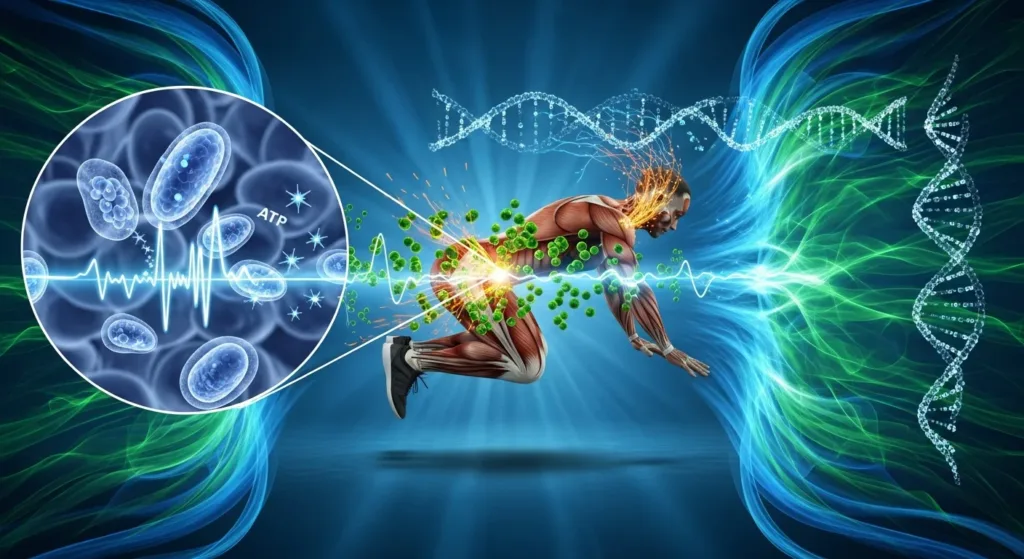
The 10-Minute Cancer-Fighting Workout
Researchers have found that a brief, intense workout does more than boost fitness—it may actively help fight cancer. According to a recent study, just 10 minutes of hard exercise releases molecules into the bloodstream that effectively “switch on” the body’s anti-cancer mechanisms.
This discovery is particularly exciting because it makes cancer prevention accessible. You don’t need hours at the gym or expensive equipment—a short burst of high-intensity exercise can activate protective biological processes.
What qualifies as “intense exercise”? Think activities that significantly elevate your heart rate: sprinting, jumping rope, high-intensity interval training (HIIT), or even brisk uphill walking. The key is pushing your body hard enough to trigger that molecular response.
Scientists Discover a “Hidden Fat Switch”
In another breakthrough, researchers have identified a previously unknown enzyme that plays a crucial role in fat production. By blocking this enzyme in animal studies, scientists stopped weight gain, reduced liver damage, and lowered harmful cholesterol levels.
This discovery could lead to safer obesity treatments that work with the body’s natural metabolic processes. The research team from the University of Technology Sydney and Memorial University of Newfoundland focused on “mitochondrial uncouplers”—molecules that cause cells to use fuel less efficiently, releasing energy as heat.
Unlike dangerous weight-loss drugs from the past, these new experimental compounds are designed to boost metabolism gently without harming cells. They also appear to lower oxidative stress, which could support healthier metabolism and help protect against neurodegenerative conditions.
Tea’s Health Benefits: How You Drink It Matters
Green tea enthusiasts have more reason to celebrate. Recent research confirms that drinking tea, particularly green tea, is linked to better heart health, improved metabolism, and lower risks of chronic diseases like diabetes and cancer. It may also help protect the brain and preserve muscle strength as we age.
However, preparation and consumption matter. The beneficial compounds in tea—particularly flavanols—can trigger effects similar to a mild workout for the nervous system. That astringent, slightly bitter taste you experience isn’t just a flavor profile; it’s a signal to your brain that activates protective mechanisms.
Maximizing benefits: Brew tea fresh, avoid excessive additives, and consider drinking it between meals for optimal absorption of its beneficial compounds.
Wild Blueberries: A Cardiometabolic Powerhouse
A comprehensive scientific review has highlighted wild blueberries as exceptional for cardiometabolic health. The strongest evidence shows improvements in blood vessel function, with encouraging signs for blood pressure, cholesterol, blood sugar, and gut health.
What makes wild blueberries special? They’re packed with polyphenols and antioxidants in higher concentrations than their cultivated cousins. These compounds work synergistically to support heart health and metabolic function.
Menopause and Brain Health: Critical New Findings
A major study has revealed concerning links between menopause and brain structure changes. Brain scans showed grey matter loss in areas tied to memory and emotional regulation, while many women reported increased anxiety, depression, and sleep disturbances.
This research underscores why women’s health has become a central focus in 2026 fitness and wellness trends. With over 47 million women transitioning into menopause annually worldwide, the conversation is impossible to ignore.
The good news? Exercise appears protective. Research shows menopause symptoms are common even among elite endurance athletes, but those who maintain consistent physical activity often report better management of symptoms and preservation of cognitive function.
CKM Syndrome: The Health Threat You Need to Know About
Most U.S. adults have risk factors for a little-known condition called CKM syndrome, which connects heart disease, kidney problems, diabetes, and obesity into one powerful health threat. This interconnected syndrome highlights why a holistic approach to health—addressing diet, exercise, stress, and sleep—is more important than ever.
Where Your Body Stores Fat Matters for Brain Health
Groundbreaking research using advanced MRI scans and data from nearly 26,000 people has identified specific fat storage patterns tied to faster brain aging. The location of body fat may matter just as much as the total amount when it comes to cognitive health.
This finding emphasizes that not all weight is created equal, and body composition—where and how fat is distributed—plays a critical role in long-term health outcomes.
What This All Means for Your Health
These breakthroughs share common threads:
- Intensity counts: Short bursts of intense exercise can trigger profound health benefits
- Food is medicine: What we eat directly impacts our cellular health and disease risk
- Holistic health matters: Heart, brain, metabolic, and hormonal health are interconnected
- Prevention is powerful: Small, consistent actions compound into significant health protection
Your Action Plan
Based on these findings, here’s what you can do today:
- Add intensity: Incorporate 10-minute high-intensity intervals into your routine 3-4 times per week
- Drink tea: Make green tea part of your daily routine, brewed fresh
- Load up on berries: Add wild blueberries to your diet regularly
- Monitor holistically: Pay attention to the interconnections between weight, heart health, blood sugar, and brain function
- Prioritize sleep and stress management: These factors influence everything from fat storage to brain health
The science is clear: our bodies are remarkably responsive to positive interventions. A decade ago, the idea that 10 minutes of exercise could influence cancer risk would have seemed far-fetched. Today, it’s backed by solid research.
The takeaway? You have more power over your health than you might think. Small, evidence-based changes can trigger cascading benefits throughout your body.
Which of these research findings motivates you most? Let us know what health goals you’re pursuing in 2026!
Michele Jordan is a Physical Education professional specialized in Pilates and functional training. She writes about movement, wellness, and healthy aging at Nutra Global One. Read more: https://nutraglobalone.com/about-michele-jordan/