


Fitness Trends Don’t Really Die — They Hibernate
Scroll through social media in 2026 and you might feel a strange sense of déjà vu.
High-intensity interval training is everywhere again. Functional training is being rebranded as “movement intelligence.” Wearables are no longer optional — they’re assumed. Group fitness classes are packed, even after years of at-home workouts. Bodyweight training is back in rotation.
If this feels familiar, it should.
These were exactly the trends dominating gyms, conferences, and fitness media around 2016.
So what’s going on? Are we recycling ideas — or rediscovering what actually works?
The honest answer: many 2016 fitness trends never left. They simply stopped being hyped and started being used.
The Fitness Industry Runs in Cycles — Physiology Does Not
Fitness marketing loves novelty. Human biology does not.
Every few years, the industry promises something radically new:
a new modality, a new acronym, a new “hack.” But the fundamentals of adaptation — muscle overload, cardiovascular stress, recovery, consistency — don’t change.
What does change is how trends are framed.
2016 was a moment when fitness began shifting away from aesthetics-only training toward performance, efficiency, and sustainability. That shift quietly continued, even when attention moved elsewhere.
Now, as burnout from extremes sets in, those same ideas feel relevant again — not because they’re retro, but because they’re reliable.
HIIT: Less Flashy, More Intelligent
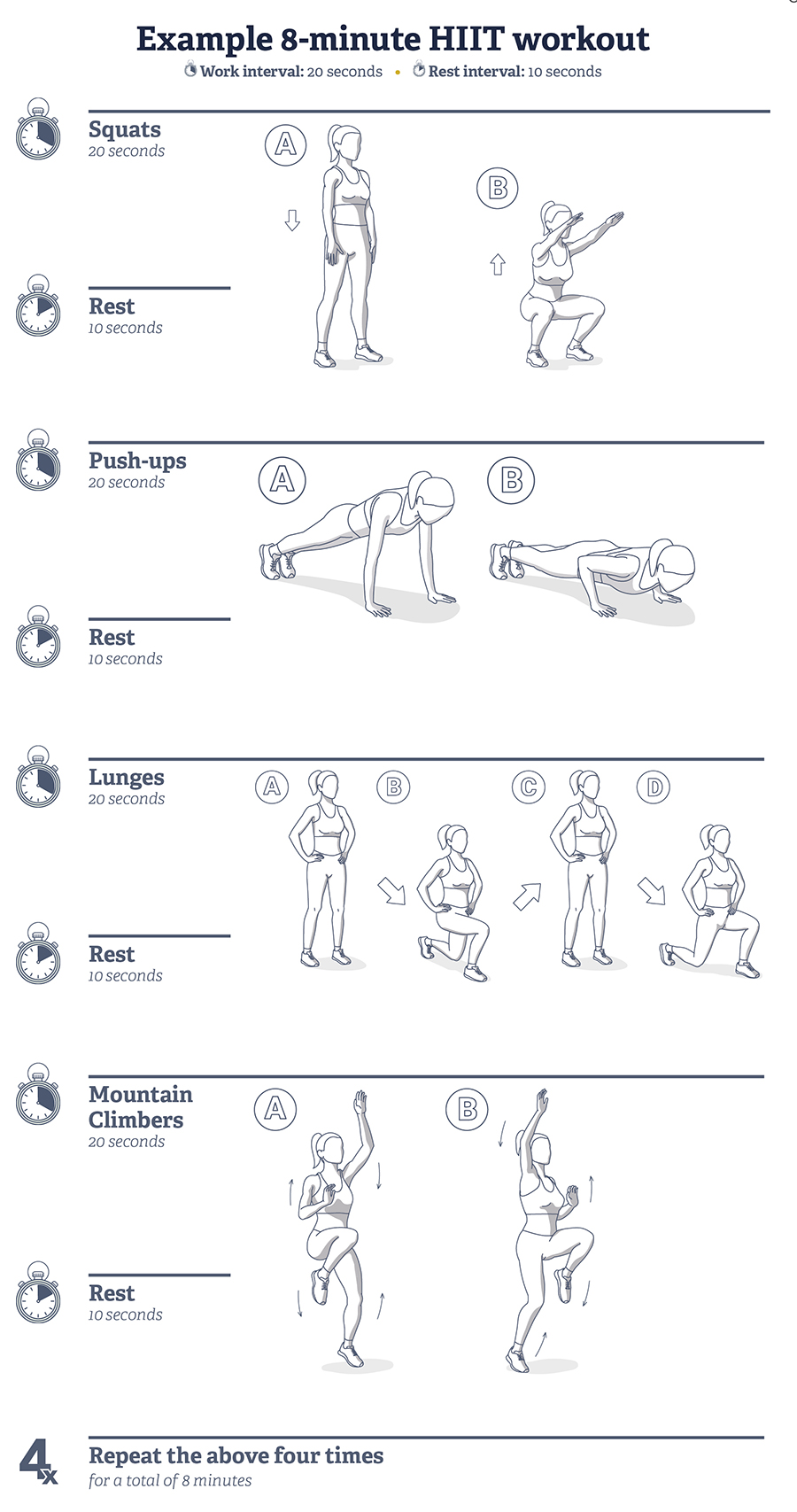
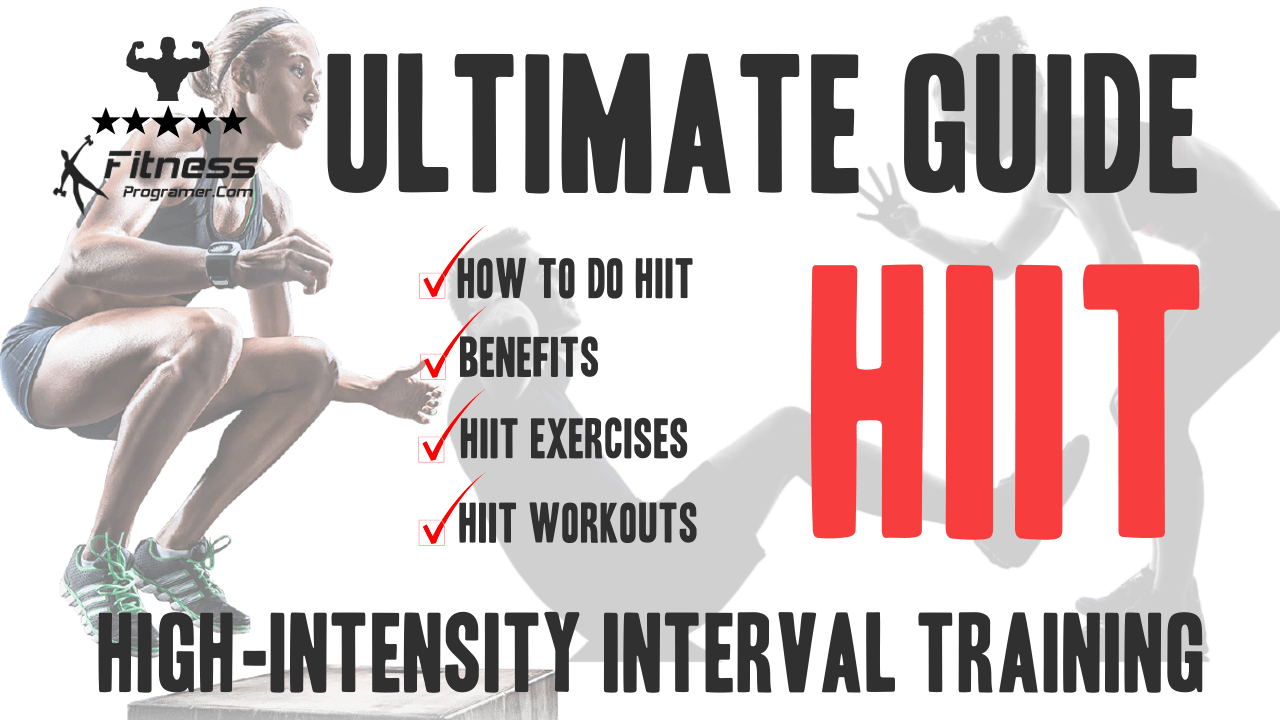
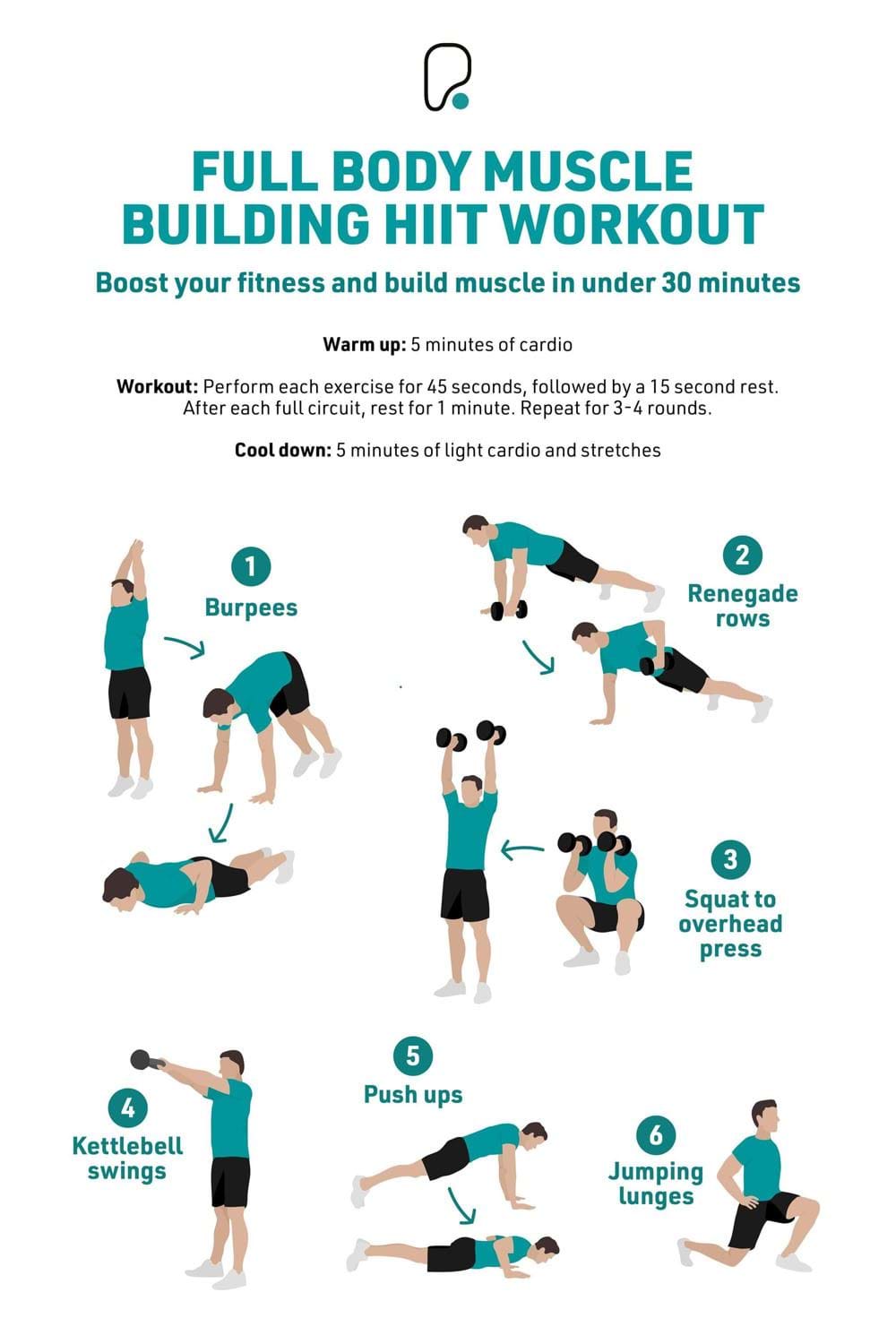
High-Intensity Interval Training was everywhere in 2016 — sometimes excessively so.
The backlash came quickly:
people overdoing it, under-recovering, treating intensity as a personality trait.
But the concept itself never failed.
What changed is how HIIT is now used:
- Shorter, more targeted sessions
- Better integration with low-intensity cardio
- More respect for recovery and sleep
- Clearer distinction between “hard” and “maximal”
In other words, HIIT grew up.
The science supporting interval training for cardiovascular health, insulin sensitivity, and time efficiency is still solid. What faded was the misuse, not the method.
That’s why HIIT feels “cool again” — it’s being applied with restraint.
Functional Training: A Term That Aged Better Than the Hype
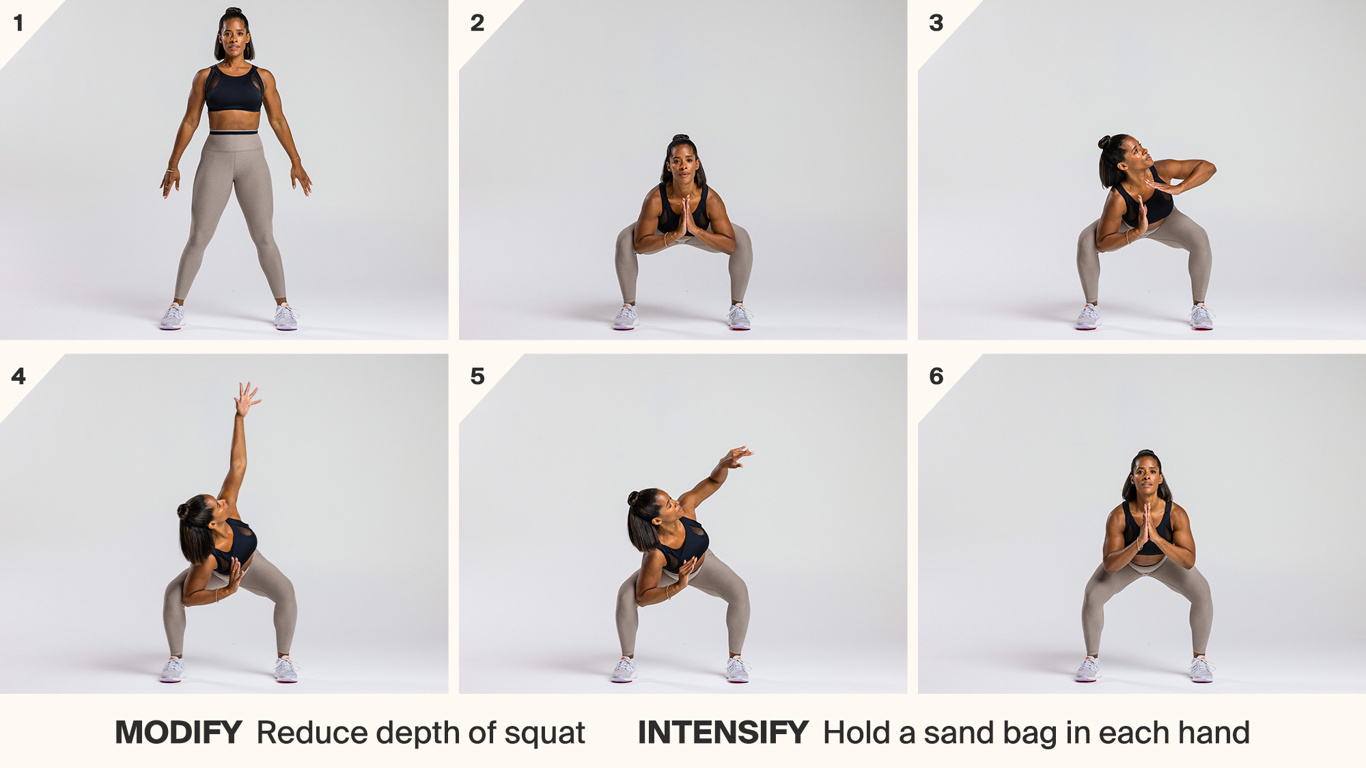
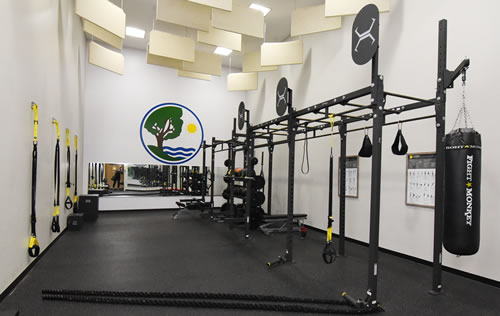
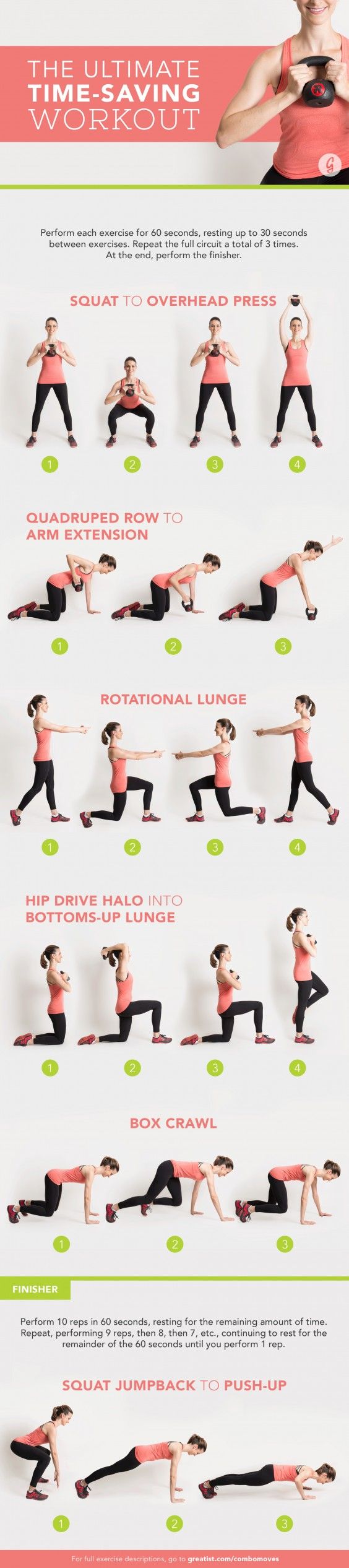
In 2016, functional training was often misunderstood as circus tricks on unstable surfaces.
But the core idea was always simple:
train movements, not just muscles.
Today, that idea aligns perfectly with modern conversations about:
- Injury prevention
- Longevity and joint health
- Real-world strength
- Aging well rather than just looking fit
The label may fluctuate, but the practice remains:
- Squats, hinges, pushes, pulls, carries
- Core stability under load
- Coordination and balance under fatigue
Functional training didn’t disappear — it just shed its gimmicks.
Wearables: From Accessories to Infrastructure
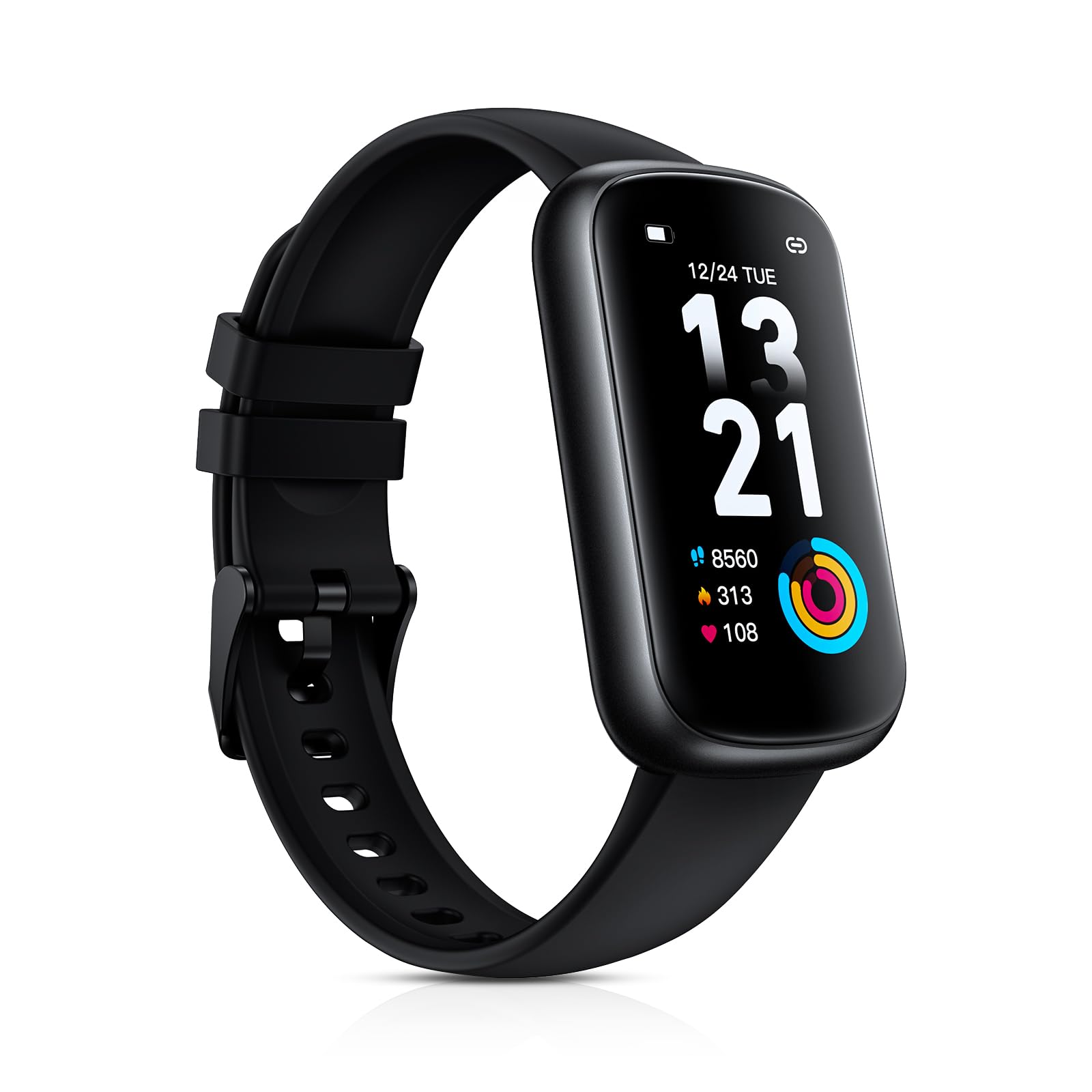
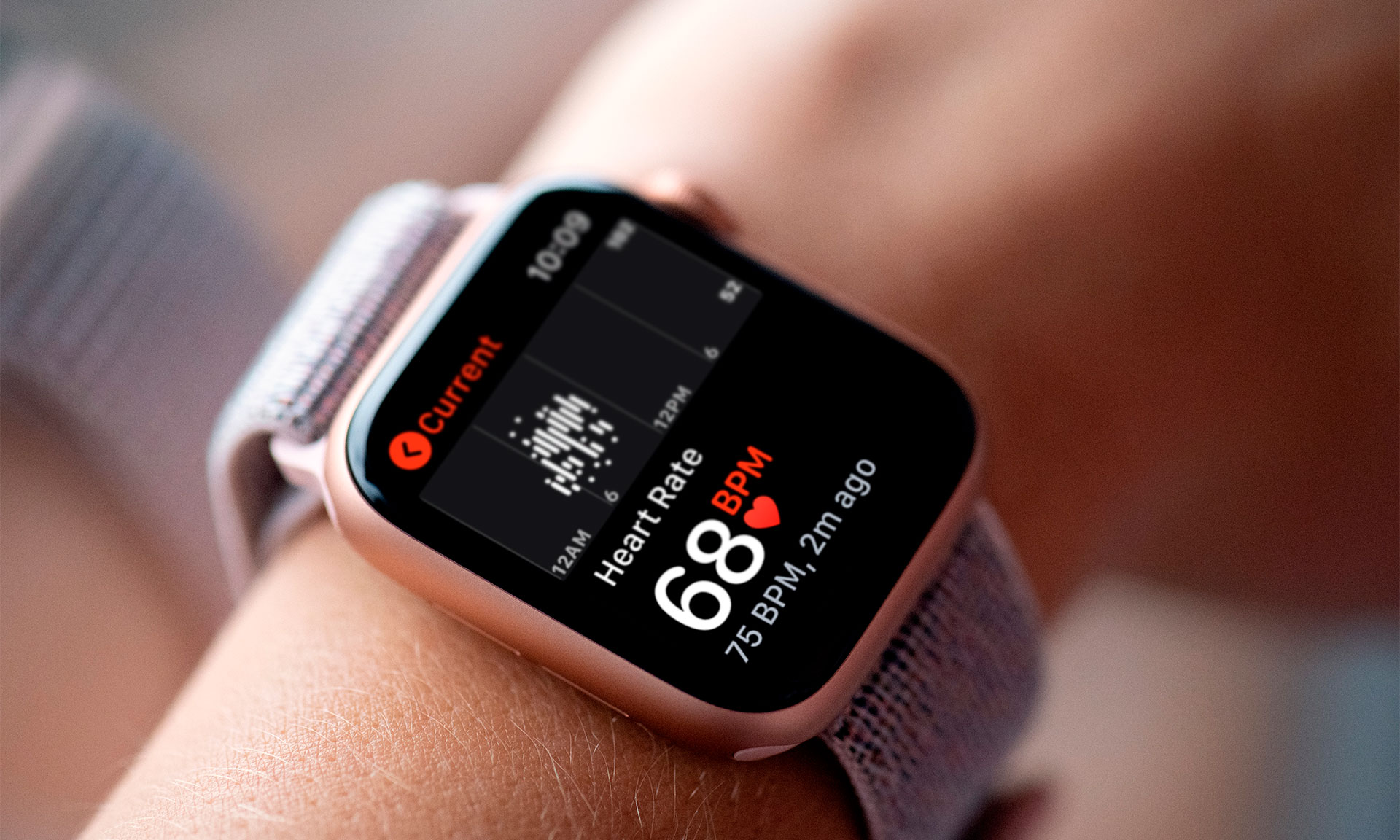
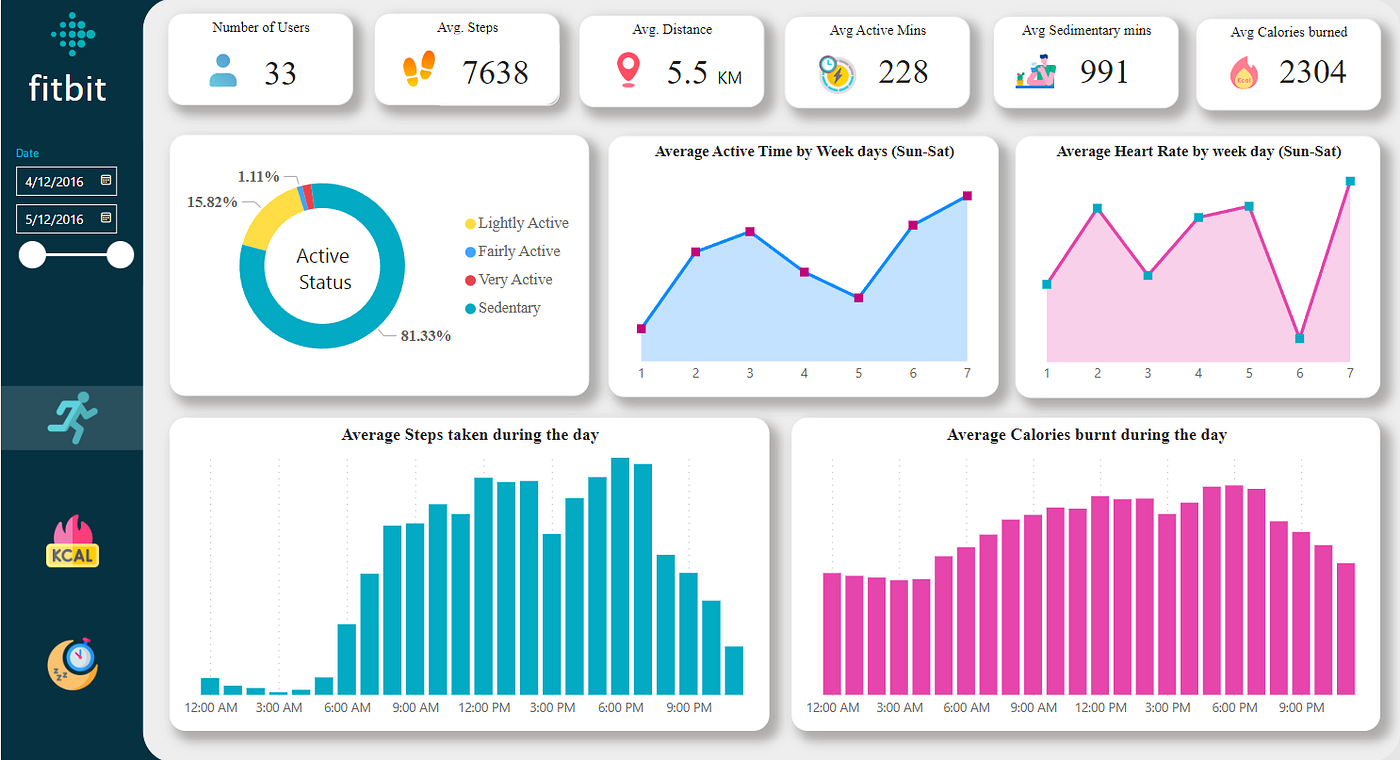
In 2016, fitness wearables were exciting.
In 2026, they’re expected.
What changed isn’t the concept, but the context:
- Better sensors
- More meaningful metrics (HRV, sleep stages, recovery scores)
- Integration with training, nutrition, and healthcare conversations
Wearables quietly shifted fitness culture from motivation-based to feedback-based.
Instead of asking “Did I sweat?”
People now ask, “Did I recover?”
That mindset — which began gaining traction around 2016 — is now foundational.
Group Fitness Never Lost Its Human Advantage

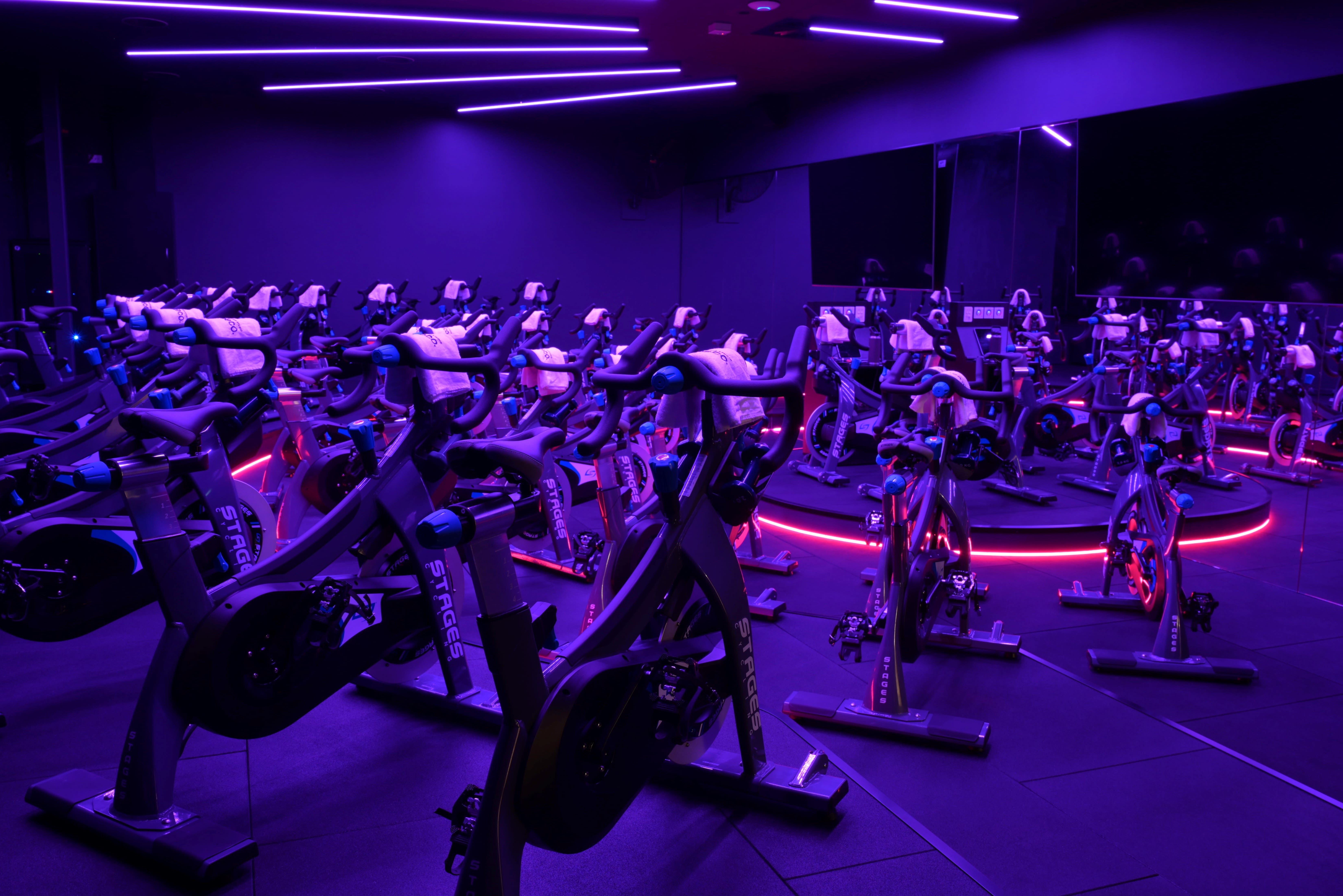
At-home workouts surged in the early 2020s.
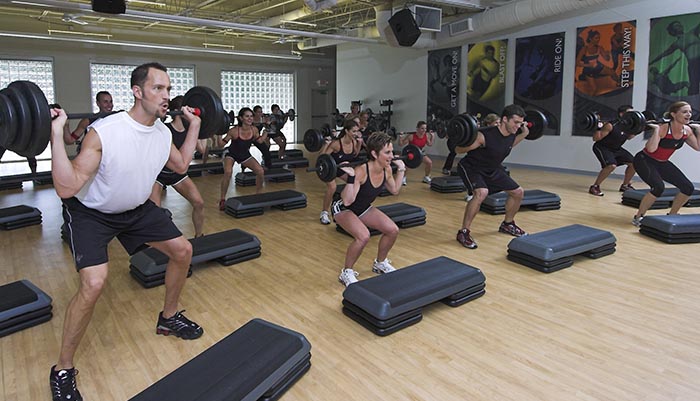
And yet, group fitness classes are thriving again.
Why?
Because humans don’t just train bodies — they train identities.
Group fitness offers:
- External structure
- Social accountability
- Emotional energy
- A reason to show up when motivation is low
This was true in 2016. It’s true now.
Technology didn’t replace community — it highlighted how valuable it actually is.
Bodyweight Training: The Quiet Constant
Bodyweight training never trends loudly, because it doesn’t need to.
Push-ups, lunges, planks, pull-ups — these movements work across decades because they scale endlessly:
- For beginners
- For athletes
- For aging bodies
- For rehabilitation
What’s changed since 2016 is appreciation.
Instead of viewing bodyweight training as “basic,” it’s now recognized as foundational — especially when combined with mobility, tempo control, and progression.
Why These Trends Feel Right Again
The return of 2016 fitness trends isn’t nostalgia. It’s correction.
After years of extremes — biohacking overload, maximal optimization, aesthetic pressure — many people are recalibrating toward:
- Sustainability over intensity
- Data over vibes
- Movement quality over novelty
- Consistency over reinvention
And that recalibration leads straight back to ideas that were already pointing in the right direction a decade ago.
The Takeaway: Trends That Survive Usually Deserve To
Fitness trends that truly disappear tend to fail one test:
they don’t align with how humans actually adapt.
The trends from 2016 that are “cool again” passed that test.
They weren’t perfect.
They were sometimes misused.
But they were grounded in physiology, psychology, and real-world behavior.
That’s why they didn’t vanish.
They just waited for us to be ready to use them better.
FAQ (Search-First)
Were 2016 fitness trends based on solid science?
Many were. The issue wasn’t lack of evidence, but overapplication without adequate recovery or personalization.
Is HIIT still recommended for most people?
Yes — when used appropriately. Frequency, intensity, and recovery matter more than the label.
Why do fitness trends keep repeating?
Because marketing cycles faster than human biology. Effective methods tend to resurface once hype fades.
Are wearables actually improving fitness outcomes?
They can, when data is interpreted thoughtfully and not obsessively.
Is functional training better than traditional strength training?
They overlap more than they differ. Functional training emphasizes movement patterns, while traditional strength focuses on load — both can coexist effectively.
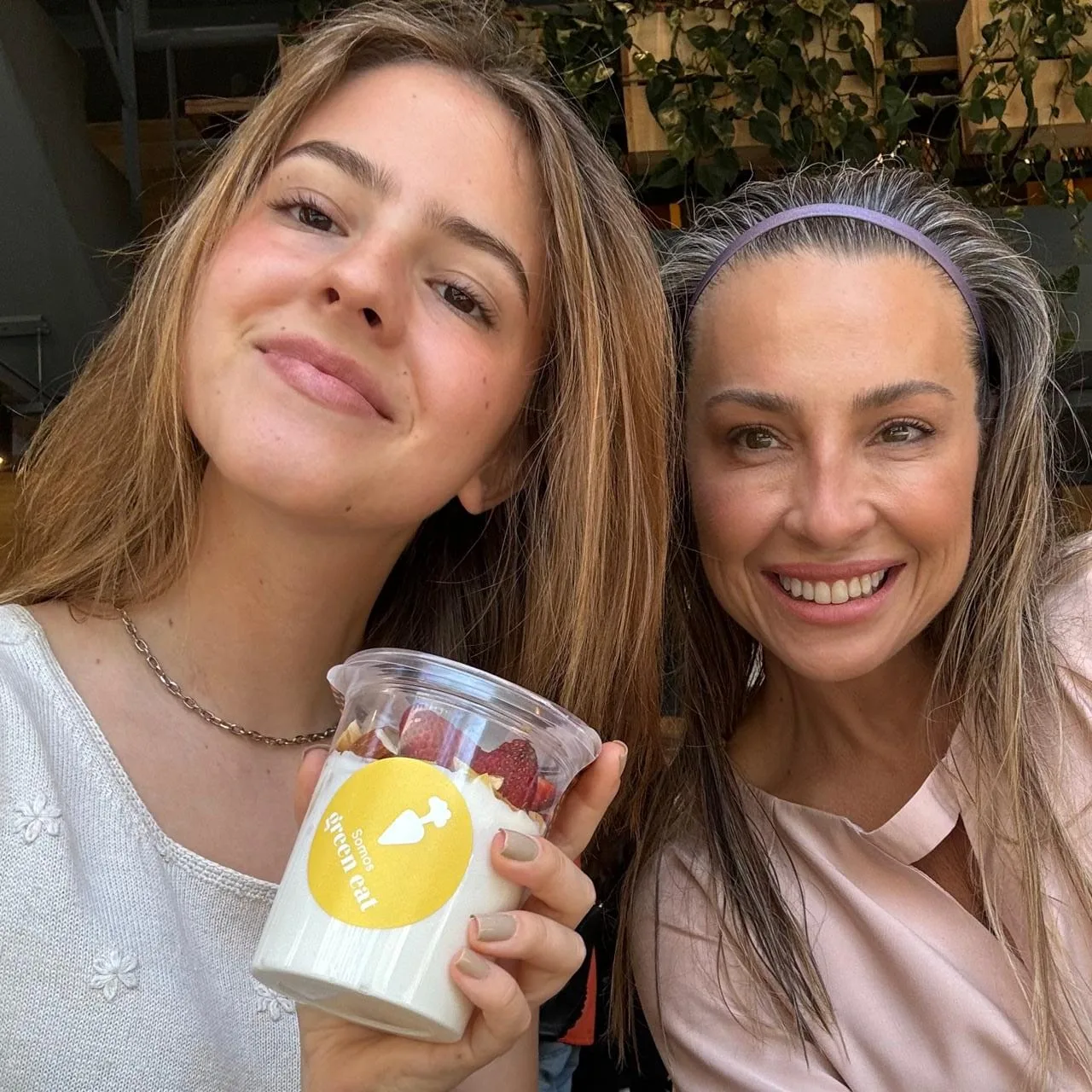
Michele Jordan is a Physical Education professional specialized in Pilates and functional training. She writes about movement, wellness, and healthy aging at Nutra Global One. Read more: https://nutraglobalone.com/about-michele-jordan/